Physical Address
304 North Cardinal St.
Dorchester Center, MA 02124
Physical Address
304 North Cardinal St.
Dorchester Center, MA 02124

What if a single ceremony could tell the story of a family, a craft, and a community all at once?
This introduction guides readers through Morocco’s regional wedding aesthetics, showing how local craftsmanship and history shape what the bride wears and how the celebration unfolds.
Weddings are family-centered events where textiles, jewelry, and ritual carry meaning for couples and elders. Morocco preserves colorful ensembles, fine embroidery, and heirloom metalwork that communities treasure and pass down.
The white wedding dress grew popular in the nineteenth century after Queen Victoria, yet many places still favor richly hued garments, henna, and ceremonial crowns. Notes from Arabic and Asian practices—ululation, gender-separate spaces, henna art, gold crowns—highlight shared human themes while keeping focus on Moroccan specifics.
Artisans—weavers, embroiderers, metalworkers—anchor this living heritage. Modern couples blend contemporary taste with enduring elements, creating looks that honor heritage and speak to the present.

In Morocco the wedding day often unfolds as a layered conversation of color, craft, and family.
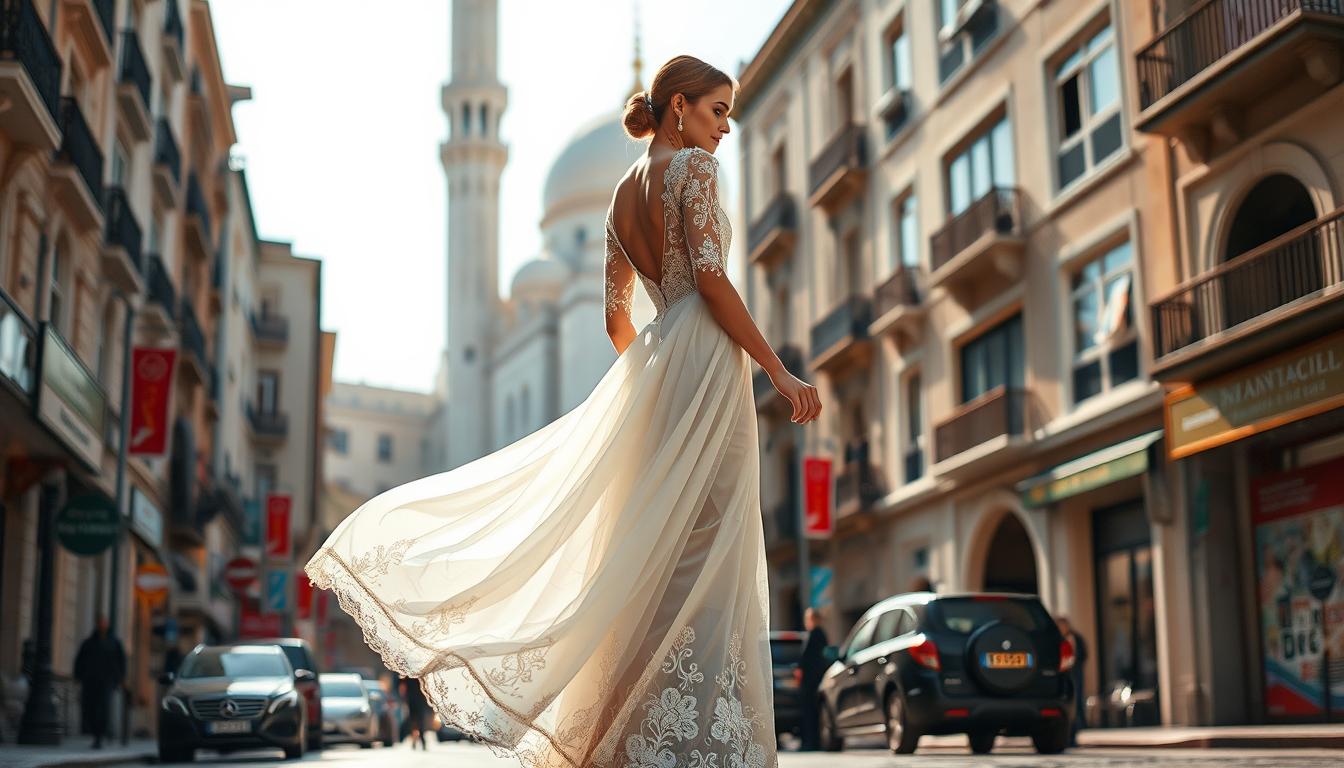
The white wedding dress rose in popularity in the nineteenth century after Queen Victoria wore white for her ceremony. That choice spread through Western fashion and helped link white with notions of purity.
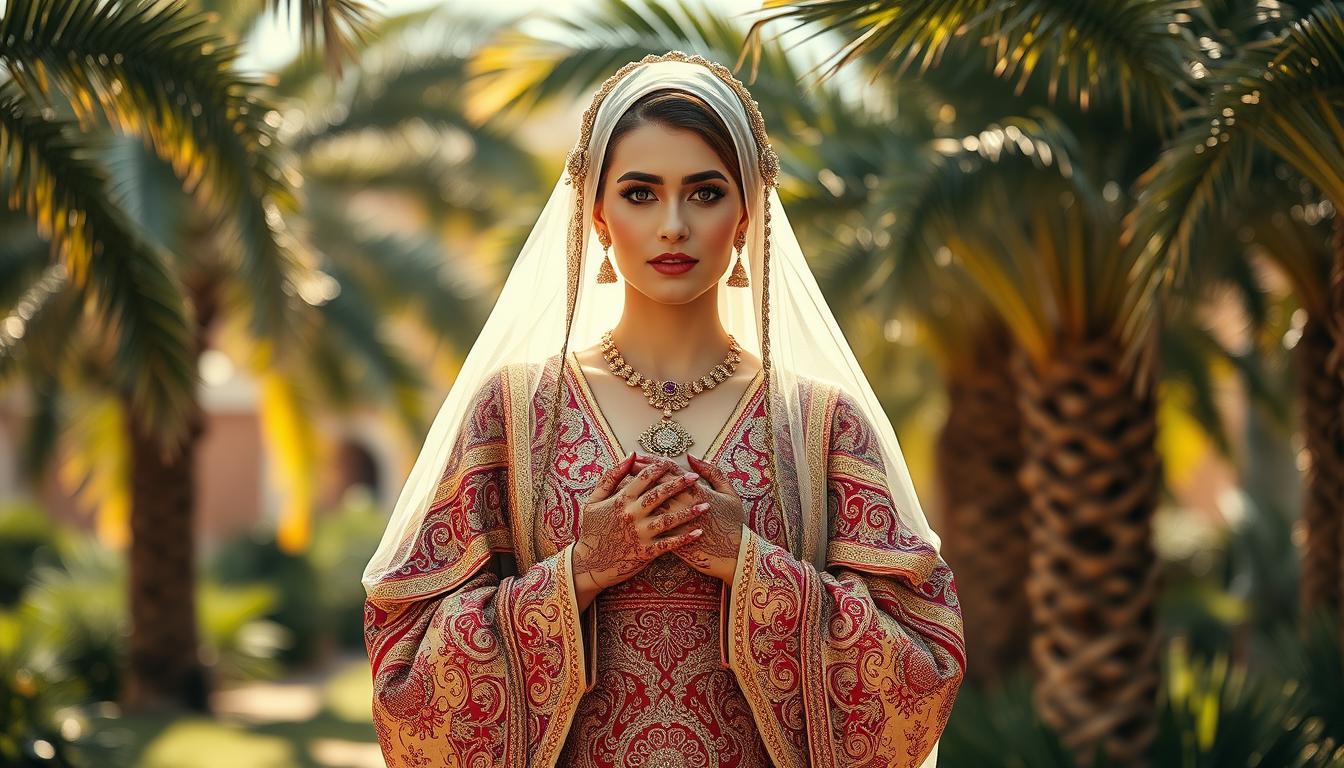
Moroccan women often prefer regional caftans and takchitas. These garments favor rich hues, gold thread, and layered belts that predate the Western trend to wear white. A bride may still include a brief white moment, but color and ornament anchor the look today.
Relatives coordinate dress changes, music, and blessings. Elders, friends, and artisans all shape the ceremony so the bride’s heritage is visible and honored.
“Weddings remain communal acts: they show lineage, craft, and shared joy.”
In the heart of Fès, the caftan reads like a family archive stitched in gold and silk. The classic Fassi gown pairs a stately caftan under a richly embroidered over-garment that drapes to emphasize posture and bearing.
Artisans use dense needlework and couching of gold threads so motifs ripple in the light during the wedding ceremony. Heavy silks and brocades give movement and sheen while keeping the bride comfortable through long events.
The ceremonial belt often is metalworked and structured; it cinches the waist and symbolizes protection and unity. Many families pass a belt down as an heirloom for luck and happiness, and a close relative may fasten it in a brief pre-ceremony moment.
A coordinated head ornament frames the face and repeats embroidery motifs, so the whole composition reads as one. Atelier masters in Fès hand-finish panels for motif continuity, setting a benchmark that shapes dresses across Morocco.
“Fassi work fuses architectural lines with embroidery, making each gown a record of craft and family.”
The capital region favors measured elegance: gowns built for posture, balance, and refined movement. Clean lines and sumptuous fabrics create a look that signals poise rather than excess.
Construction emphasizes structured shoulders and softly flared skirts that glide during the wedding procession and evening dances. Tailors place seams and linings with care so the bride remains comfortable for long ceremonies.
Colors are nuanced: ivory shot with gold, dusky rose trimmed with metallic thread. Embroidery concentrates along the neckline, cuffs, and front panels to draw the eye vertically and flatter the figure.
Fabrics—velvet, satin, fine brocade—offer tactile contrast and catch light gracefully. Head adornment is restrained: delicate tiaras or refined headbands complete the composition without overpowering the silhouette.
“In Rabat-Salé-Kénitra, the wardrobe reads like court portraiture: disciplined, elegant, and quietly luxurious.”
Family guidance balances innovation with customs, choosing a dress or gown that honors history while feeling modern. The result is a minimalist-luxe approach that photographs with dignity and preserves regional cues.

Marrakech-Safi presents a wedding palette that favors high drama: saturated hues and ornate surfaces shape the public display of the bride.
Signature style centers on dense decoration and vivid dyes that reflect the city’s artisan crossroads. Layering is deliberate: an under-caftan gives structure and comfort, while an over-caftan provides the spectacle.

A heavily adorned belt unifies pattern and color and often carries family meaning. Relatives curate heirloom jewelry so pieces worn by the bride hold memory and blessing.
Crowns here are theatrical: star-pointed tiaras, filigree combs, and veils frame the head and echo local architecture.
Jewelry is layered for impact: necklaces, cuffs, and drop earrings in rich gold finishes echo embroidery and beadwork. Artisans use hand-applied sequins, couching, and bead embroidery for luminous surfaces under evening lights.
“Marrakech styling turns ceremony into pageant: the bride reads as queen, but every detail is rooted in craft and family.”
Casablanca-Settat blends city polish with inherited craft to create wedding looks that work for modern life. Urban couples stage a brief white dress moment for photos or the reception, then switch into an ornate caftan or regional ensemble for the formal ceremony.

Sequencing matters: many plan the white dress early in the wedding day for portraits and cocktail-hour shots. Later, the bride changes into richly embroidered garments for ceremonial milestones and family blessings.
Tailoring trends pair minimalist necklines or clean cuts with heirloom belts and layered jewelry. Small color accents—gold piping or embroidered panels—let a wedding dress nod toward local craft without losing modern lines.
“Couples in Casablanca-Settat design transitions so photos tell a full story: urban refinement beside living heritage.”
| Aspect | White Dress Moment | Ceremonial Ensemble |
|---|---|---|
| Timing | Early portraits, reception | Key rituals, family blessings |
| Style | Minimalist, modern cuts | Layered embroidery, metal belt |
| Practicality | Easy closures, photo-ready | Quick-change design, coordinated palette |
Along Morocco’s northern coast, wedding attire carries clear echoes of Andalusi ornament and quiet sea breezes. The bride often wears a flowing dress with lace-like embroidery, arabesque motifs, and rhythmic borders that recall historic Iberian ties.

Layers use light textiles with precise edging, ideal for coastal climates and long ceremony days. Fine needlework and cutwork lend airiness while keeping the look formal and held in shape.
Head styling favors mantilla-inspired drapes and jeweled pins that frame the head with soft lines. Jewelry blends filigree silver with gold-plated pieces that echo northern metalwork.
Families celebrate a blended culture during the wedding, pairing Andalusi classical music with processional steps through medina streets. The overall colors—sea-glass green, pearl white, indigo accents—feel maritime and refined.
“The northern wardrobe reads as lyrical and portable: designed for procession, music, and family blessing.”
In Souss-Massa, the bride’s gown often reads like a stitched genealogy. Panels carry geometric Amazigh motifs that signal protection, fertility, and lineage. Each pattern functions as a short story worn during the wedding.

Belts are wide and motif-rich. A single belt secures layers and serves as a talisman during the ceremony. Metal and woven elements lock the outfit while recalling ancestral craft.
Colors favor saturated reds and greens balanced with earth tones. These choices reflect local custom and carry auspicious meaning for the couple. Hand-loomed textiles and appliqué foreground regional workmanship and tactile depth.
Jewelry layers coral, silver, and enamel pieces. These accents amplify presence during procession and song. Neighbors, elders, and relatives prepare garments together, so the wedding becomes a communal work of care.
“Amazigh motifs let the bride wear family memory; each stitch holds guidance from older women and elders.”
| Element | Function | Material |
|---|---|---|
| Gown panels | Storytelling motifs | Hand-loomed wool, appliqué |
| Belt | Security and talisman | Woven textile, metalwork |
| Jewelry | Ceremonial amplification | Coral, silver, enamel |
In the Oriental corridor, wedding garments favor vertical lines and careful layering that speak of formality and calm.
Silhouette: Layered dresses pair structured bodices with softly flared skirts. Underlayers add volume and movement while outer panels carry the pattern work.
Patterns and colors: Bold linear motifs and lattice repeats mark local identity during the ceremony. Deep blues, maroons, and metallic accents provide a dignified, formal palette.
Tailoring and fabric: Precise seaming and panel placement create a regal line suited to long events. Lightweight under-skirts ease procession; heavier outercloth frames embroidery and applique.
Family and customs: Relatives help choose motifs for good fortune and cohesion. Accessories—belts, cuffs, and drop earrings—mirror geometric repeats so the outfit reads as a unified set.

“The Oriental approach balances form and ceremony: every seam, color, and accessory upholds lineage and poise.”
| Feature | Function | Typical Materials |
|---|---|---|
| Layering | Volume and movement | Silk underlayers, brocade outer |
| Pattern | Regional identity | Linear embroidery, lattice motifs |
| Accessories | Geometric echo | Metal belts, filigree earrings |
Mountain weddings in the Atlas foreground capes and crowns that read like wearable maps of family history. Signature elements include structured capes and ornate headdresses with metalwork, beads, and coins that create a stately silhouette for the bride.

Crowns are balanced to frame the face and secure veils or capes during the ceremony. A well-set headpiece highlights features while keeping the ensemble steady for procession and dance.
Artisans craft hand-hammered plaques, braided cords, and dense beadwork that carry protective and prosperity motifs. Thick wool-blend cloths and lined layers suit the mountain climate and long wedding rites.
Pieces are often loaned by relatives, so the bride wears visible lineage. Weight and drape are calibrated so the gown moves with music and keeps dignity during ritual pacing.
“The Atlas ensemble reads as authority and grace: every clasp and panel is both craft and kinship.”
In the Drâa-Tafilalet corridor, wedding attire often mirrors the landscape: wind-shaped lines, breathable layers, and sun-struck palettes echo dunes and palm oases. Lightweight cuts let air move during outdoor processions while still feeling ceremonial and composed.
Fabrics favor silk blends and gauzy overlays that balance comfort across the wedding day. A single dress may use layered voile over satin so the bride stays cool during midday and luminous at dusk.
The statement belt is broad and sculptural. Metalworkers engrave panels and set small gemstones so the belt centers the outfit and anchors the bride in family memory.
Gold appears as thread, trim, and jewelry. Under open skies, those highlights catch evening light and animate embroidery during the ceremony.
Artisans—metalworkers and embroiderers—collaborate so motifs and colors recall caravan routes: amber, sand, and turquoise. Families often match small accents for photos and procession harmony.
“Saharan attire reads as both travelogue and blessing: motifs recount journeys and resilience.”
| Feature | Function | Typical Materials |
|---|---|---|
| Silky layers | Breathable elegance for day and dusk | Silk blends, voile |
| Statement belt | Visual center, talismanic value | Engraved metal, gemstone accents |
| Gold accents | Light-catching ornament for evening | Gold thread, trim, jewelry |
The effect is airy and luminous: dresses that read contemporary while rooted in desert custom and family storytelling during the ceremony.
This quick-reference roundup condenses signature silhouettes, emblematic accessories, and planning priorities for a wedding day. It helps brides, couples, and family members make decisions that respect craft and venue.
Quick cheat sheet: Fès — layered caftan, gold couching, metal belt. Marrakech — vivid hues, heavy beadwork, ornate crown. Souss-Massa — geometric panels, wide woven belt, coral and silver jewelry. Atlas — capes and crowns, thick cloth; Drâa-Tafilalet — gauzy layers, engraved metal belt.
“Start vendor calls early: ateliers, embroiderers, metalworkers, and henna artists shape the timeline and the final look.”
| Need | Lead time | Typical cost driver |
|---|---|---|
| Embroidery | 8–12 weeks | Handwork, gold thread |
| Metal belt/crown | 4–8 weeks | Engraving, gemstones |
| Headpiece fitting | 1 week | Custom shaping |
Small objects—crowns, belts, layered necklaces—carry an outsized role in ritual meaning and visual impact. These pieces finish the silhouette and state a family’s intent for the wedding day.
Crowns mark honor and presence; broad belts bind garments and imply unity and safeguarding; layered gold signals abundance and celebration. Crafts such as filigree and repoussé unite metalwork with stone settings that echo motifs on the dress.
The bride’s jewelry is balanced so necklaces and cuffs enhance rather than compete with embroidery. Practical design—padded closures, balanced weights, and secure fastenings—keeps comfort through long rites.
“Accessories are living heirlooms: they carry blessing, memory, and the care of artisans.”
Like Balinese crowns used in some ceremonies, Moroccan headpieces confer ritual stature while remaining rooted in local craft. Early artisan collaboration yields custom pieces that speak of family symbolism and pass on as heirlooms for future generations.
A pre-wedding henna gathering brings family and friends together as artists trace symbols across the bride’s hands.
The ceremony is communal: women sing, share food, and watch motifs take shape. This ritual marks blessing and protection for the bride before the wedding day.
Artists combine floral and geometric motifs, using negative space to make patterns read clearly on the palms and the back of the hands.
Palms and backs are chosen for visibility during greetings, ring exchange, and posed photos. Timing matters: henna is usually applied a day or two before the ceremony so stains reach peak richness.
Relatives often host the event and help with application, turning the moment into an intergenerational celebration that ties craft and kinship.
Care tips matter: avoid water at first, keep the paste in place, and protect the skin so the color lasts through the wedding.
“Henna marks a threshold: it makes preparation visible and lets small gestures carry deep meaning.”
The practice connects Morocco with wider customs—think of intricate Pakistani henna nights or multi-outfit rituals in sri lankan ceremonies—where adornment frames the face and the whole presentation. Close-up hand shots capture artisan skill and intimate symbolism for the couple’s photos.
A groom’s attire signals lineage and taste: tailored lines, regional accents, and coordinated color bind the couple visually.
Common outfits include a tailored djellaba or kaftan with a matched selham (cloak) and slippers. Families choose fabrics that harmonize with the bride’s palette so portraits read as a paired composition.
Subtle embroidery, piping, or a sash often echoes motifs on the bride’s dress. Northern or Amazigh weaving patterns may appear in accessories or belt detailing.
Formality shifts across the day: ornate robes for the main ceremony; streamlined jackets or lighter dress pieces for receptions and dancing. Comfort matters—breathable cloth and precise tailoring support long hours of greeting and movement.
“Attire choices narrate a shared aesthetic story: husband and wife appear as a matched set of craft and family.”
| Moment | Typical Groom Outfit | Key Features |
|---|---|---|
| Main ceremony | Tailored kaftan + selham | Embroidery, coordinated color, formal slippers |
| Reception | Simplified jacket or light djellaba | Streamlined cut, easier movement |
| Regional accents | Amazigh weave or northern trim | Weave patterns, modest jewelry, family-sourced pieces |
Color acts like a language at Moroccan weddings, where hues carry wishes for the couple’s future.
Choices made for the ceremony signal blessing, identity, and the family’s hopes for the husband and wife. Palettes balance show and meaning so garments read well in photographs and during ritual moments.
Red appears in sashes, belts, or embroidery. It reads as vitality and celebration and is often chosen to invoke luck for the bride and the husband.
Gold shows up in thread, trims, and jewelry. It symbolizes prosperity and warmth and brightens the couple’s presence during the day and evening parts of the wedding.
White carries Victorian-era meanings in Western contexts; in Morocco it usually acts as an accent or a short photographic moment rather than the central look.
Greens and blues provide harmony and protection. They balance brighter hues and are sometimes reserved for calm or ritual stages of the ceremony.
“Color choices tell a sustained story: they offer blessing, family memory, and a visual map of ritual moments.”
| Color | Symbol | Common Use |
|---|---|---|
| Red | Vitality, luck | Sashes, belts, embroidery |
| Gold | Prosperity, warmth | Thread, jewelry, trims |
| White | Purity (Western link); accent | Short dress moment, panels |
| Green / Blue | Harmony, protection | Panels, linings, accessories |
When the bride steps forward, textiles, belts, and metalwork speak as loudly as vows. Moroccan wedding style traces identity through color, craft, and learned motifs that narrate family memory.
Families and artisans keep these practices alive: they mend patterns, lend heirlooms, and teach young makers so the tradition remains a living archive. The groom’s attire and the bride’s garments read together as a shared statement across the day.
Couples today blend modern touches without losing meaning. Colors, crowns, belts, and henna carry blessing beyond mere look. For a cohesive, authentic result, consult local ateliers early and support artisans who sustain these rituals.
The white gown follows Western wedding conventions—simple silhouette, white fabric, and a focus on the bridal procession—while Morocco’s wedding attire emphasizes regional garments such as the caftan, elaborate embroidery, vivid colors, and layered accessories. Moroccan ensembles often change during the day: a formal ceremonial robe for family rites and other dresses for dancing and celebrations.
The white gown became popular in Europe after Queen Victoria; it symbolizes purity and a single ceremonial moment. In Morocco, color, texture, and ornamentation convey social identity, family heritage, and wishes for luck and prosperity. Gold thread, red accents, and specific motifs carry symbolic meanings valued in local culture.
Moroccan weddings are multi-day events where extended family plays a central role: hosting, gifting, and performing rituals. Ceremonies include henna application, formal presentations of the bride’s garments, and communal meals. Each act reinforces kinship and transmits regional customs across generations.
Fès is renowned for tailored silhouettes, dense gold and silver embroidery, and precision in cut. The Fassi caftan favors structured shapes, hand-stitched motifs, and ceremonial belts—crafted to highlight the waist and convey refinement linked to the imperial city’s artisanal legacy.
Fès bridal garments commonly use rich fabrics—silk, brocade—and metallic threads such as gold and silver for embroidery. Colors like deep red, emerald, and royal blue appear alongside metallic accents; belts and woven trims are added to symbolize fortune and marital joy.
This region favors refined lines, subtle embroidery, and fabrics with a polished sheen. Influences from administrative and royal circles yield understated luxury: balanced ornamentation, neat tailoring, and accessories that complement rather than dominate the gown.
Marrakech-Safi is known for bold color palettes, layered garments, and ornate embellishment. Brides often wear richly patterned fabrics, heavy jewelry, and layered robes that create a vibrant, theatrical effect suitable for public festivities and music-filled nights.
Crowns, elaborate head adornments, and stacked necklaces are common. These pieces are usually gold-toned and layered to signify status and to catch light in celebratory settings. Jewelry often includes bracelets and belts that integrate local motifs.
Urban couples often opt for a Western-style white ceremony for the civil or church service and then change into traditional Moroccan garments for the evening celebration. This balance lets them honor international trends while preserving cultural identity during family-centered rites.
Coastal Andalusi heritage shows in fluid silhouettes, delicate embroidery patterns, and certain head coverings. The aesthetic prioritizes refined ornamentation and sometimes lighter, more flowing fabrics reflecting Mediterranean connections.
Amazigh (Berber) traditions contribute distinctive geometric motifs, woven belts, and bold color pairings. Handcrafted elements and specific patterns signal clan identity and are integrated into garments and jewelry worn during communal celebrations.
Weddings there are collective affairs: neighbors and relatives take defined roles—from preparing textiles to performing music. The ceremony’s sequence, song repertoire, and garment choices are often guided by local elders, preserving ancestral practices.
The Oriental region features stately robes, layered dresses, and region-specific patterns. Tailoring emphasizes volume and visual rhythm through pleats, overlays, and patterned trims that reflect local weaving traditions.
Atlas brides often wear handcrafted crowns and elaborate headdresses that frame the face and signify social ties. These pieces combine metalwork, textile wraps, and sometimes beadwork—each element chosen for symbolic protection and beauty.
Desert-inspired attire uses layered textiles suited to arid climates, with rich gold accents and statement belts. The garments are both ornamental and practical: they protect from sun and sand while signaling wealth and craftsmanship through intricate embellishment.
Yes. Key points: Fès—structured caftans and metallic embroidery; Marrakech—vivid colors and heavy jewelry; Rabat—refined courtly lines; Souss-Massa—Amazigh motifs and belts; Atlas—crowns and capes; Drâa—desert textiles and bold belts. Each choice aligns with family customs and ceremonial roles.
Crowns, belts, layered gold necklaces, and bracelets are central. Crowns represent status, belts signal protection and fertility, and gold denotes prosperity. Together they create a visual language of blessings and social identity on the wedding day.
Henna application is a ritual of beauty and blessing performed before the wedding. Designs on hands and feet mark transition, attract good fortune, and strengthen family bonds. Patterns vary by area and often incorporate symbols for protection and joy.
Grooms often wear a djellaba or a tailored suit for the civil part, and may change into a hand-embroidered robe or caftan for the festive evening. Men’s dress complements the bride’s outfit in color and ornamentation, reflecting balance between the couple.
Red often signifies vitality and protection; gold symbolizes wealth, luck, and prosperity; white can indicate purity or be used for specific ceremonial moments. Color choices communicate hopes for the couple’s future and align with regional customs.
Couples should consult family elders and local artisans, select meaningful garments or accessories, and schedule traditional rites—such as henna or a caftan change—within the modern timeline. Working with skilled seamstresses and jewelers ensures authenticity and supports cultural preservation.
