Physical Address
304 North Cardinal St.
Dorchester Center, MA 02124
Physical Address
304 North Cardinal St.
Dorchester Center, MA 02124

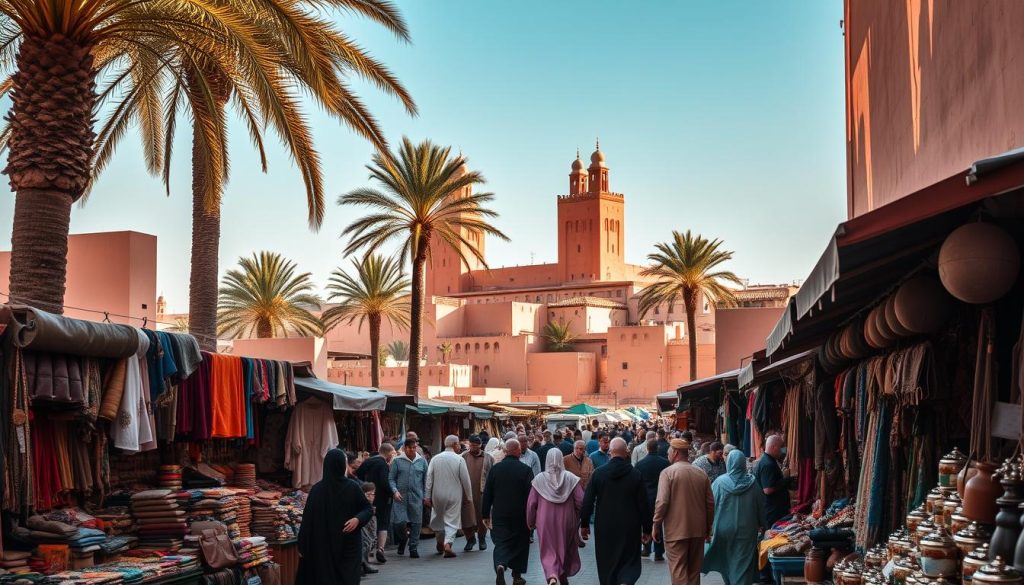
Are you ready to dive into a world where colors pop, smells tantalize, and culture thrives? Planning a trip to Marrakesh is more than just a vacation. It’s a journey into a city where old traditions meet modern life.
 |
| Explore Marrakech |
Marrakesh is a feast for your senses, with its bustling souks and breathtaking buildings. In this guide, we’ll show you the top sights and tips for visiting. Your trip will be truly magical.
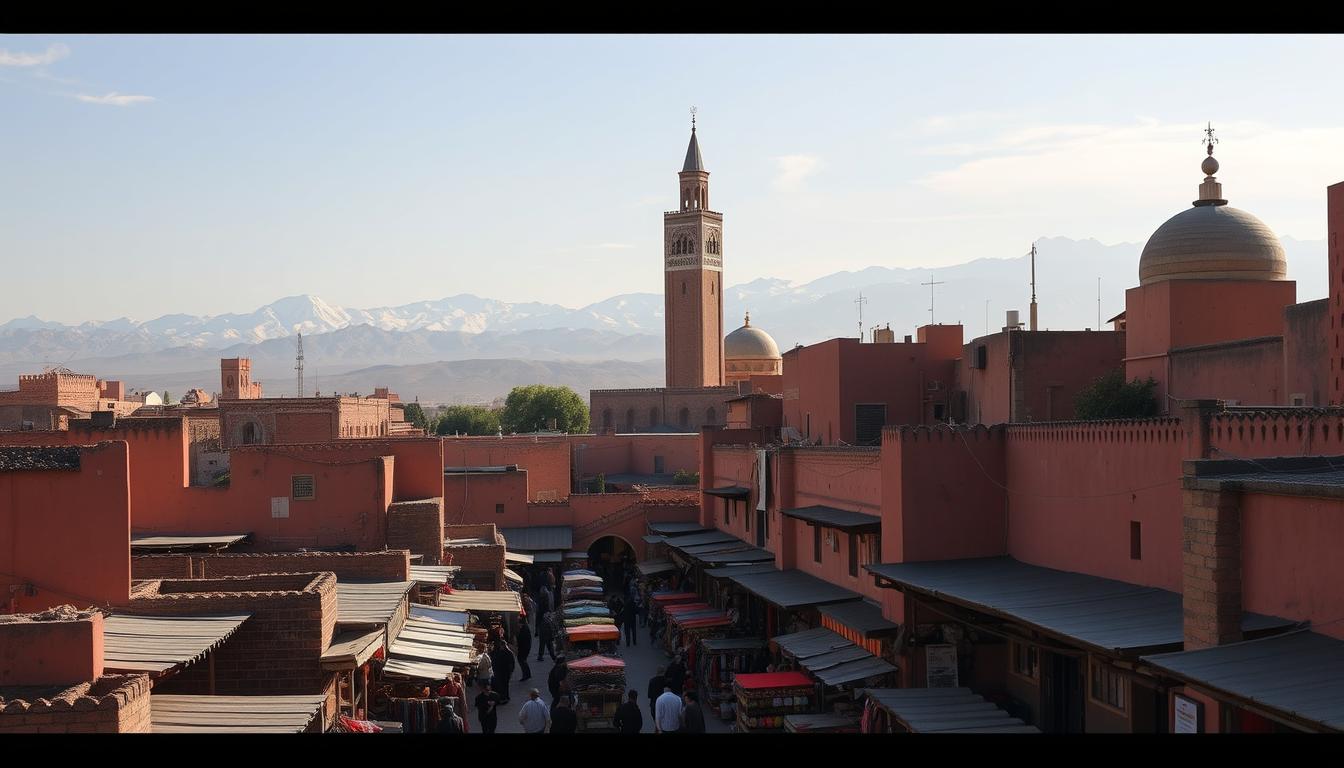
When you enter Marrakesh, you dive into its rich cultural heritage. Known as the Red City, it’s where history and culture meet beautifully.
Marrakesh was founded in the 11th century. It became a key center for trade and culture in Morocco. The city’s rich historical background is seen in its architecture, shaped by different dynasties.
The medina, a UNESCO World Heritage site, shows the city’s historical value. It’s a place where history comes alive.
The historical sites in Marrakesh, like the Koutoubia Mosque, tell stories of the city’s past. They share tales of the civilizations that thrived there.
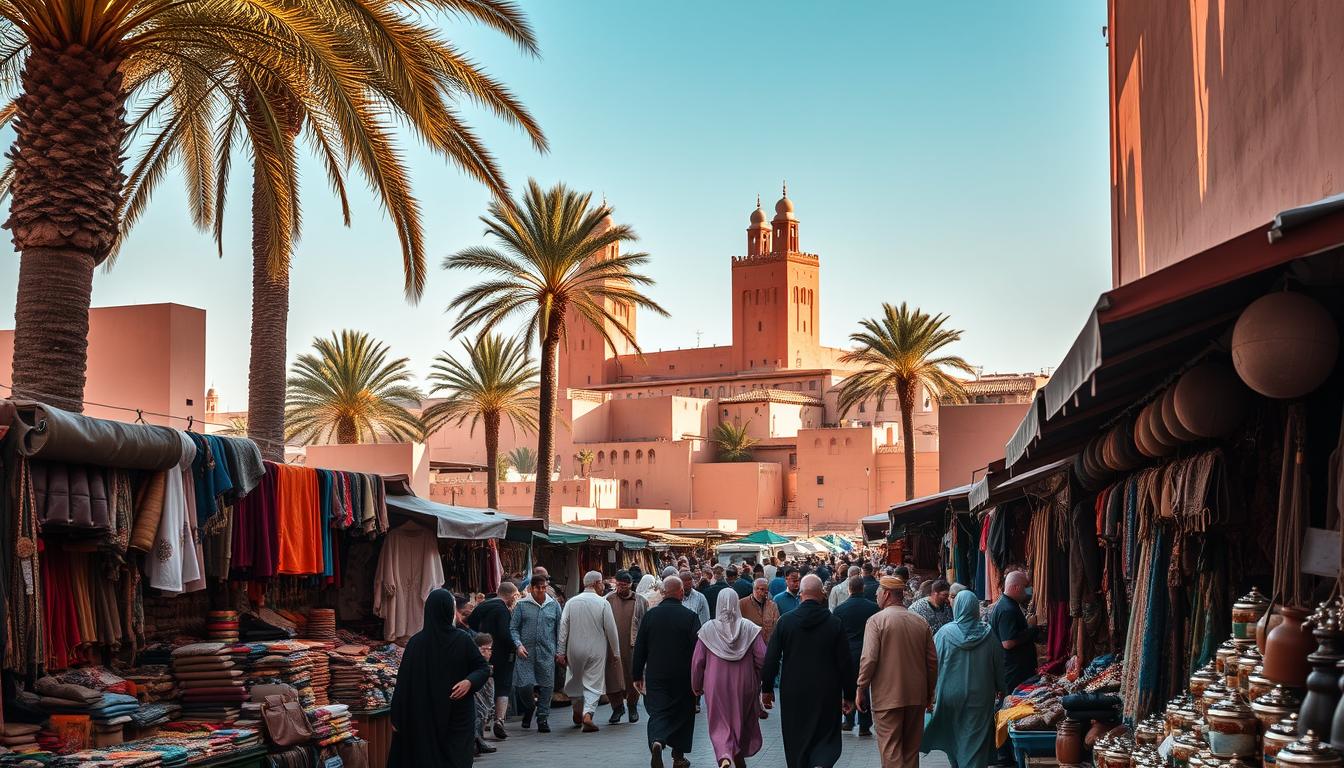
Marrakesh is more than a city; it’s Morocco’s heart, showing the country’s Moroccan culture. The city’s lively souks, traditional riads, and busy streets like the marrakesh medina give a peek into Moroccan life.
Marrakesh’s cultural importance grows from being a mix of cultures and traditions. It’s a place full of wonder and discovery.
Planning your trip to Marrakesh means knowing the seasons and how they affect the city. Marrakesh has a desert climate. This means hot summers and mild winters.
The best time to visit Marrakesh من مارس إلى مايو ومن سبتمبر إلى نوفمبر. الطقس لطيف إذن، مثالي لرؤية المعالم السياحية في المدينة. إذا كنت تريد عددًا أقل من الأشخاص حولك، فحاول تجربة الموسم الانتقالي.
The off-season, especially summer, might not be everyone’s cup of tea. But, it’s less crowded and hotels cost less.
Marrakesh’s weather is usually warm. Temperatures range from 64°F (18°C) in January to 98°F (36°C) in July. Spring (March to May) and autumn (September to November) are the best times to visit.
 |
| Explore Marrakech |
Knowing the weather helps plan your trip. Whether you want to see the souks, relax in a riad, or go on a desert safari, the right time makes it better.
Getting ready for Marrakesh? Knowing the local culture is essential. This city, famous for its lively souks and deep history, needs cultural understanding to enjoy fully.
Dressing modestly shows respect in Marrakesh. Cover your shoulders and knees when visiting mosques or rural spots. Wear light, breathable clothes because it’s warm.
Knowing basic etiquette can improve your interactions with locals. Saying ‘As-salamu alaykum’ (peace be upon you) is a good start. Also, be considerate of Ramadan and other local traditions.
Stay alert in busy places like Jemaa el-Fnaa. Secure your belongings and watch out for pickpockets. Knowing ‘Shukraan’ (thank you) in Arabic can also help.
| Tips | Description |
|---|---|
| Dress modestly | Cover shoulders and knees |
| Greet locals respectfully | Use ‘As-salamu alaykum’ |
| Be aware of surroundings | Keep belongings secure |
Follow these tips for a better, more respectful Marrakesh visit.
Exploring the Marrakesh medina can seem tough at first, but it’s truly unforgettable. This area is the heart of Marrakesh, filled with narrow streets, markets, and historical sites. As you wander, you’ll find a mix of chaos and charm.
Start at Jemaa el-Fnaa Square, the medina’s lively center. From there, you can explore the souks and alleys. Knowing the medina’s layout helps, especially with landmarks like the Koutoubia Mosque. Use a map or GPS to avoid getting lost in the narrow streets.
 |
| Explore Marrakech |
The medina has many attractions you can’t miss. Begin at Jemaa el-Fnaa Square for its lively vibe, street performers, and food. Then, check out the souks for spices, textiles, and more. Don’t miss the Saadian Tombs and Bahia Palace for a peek into Marrakesh’s history.
As you explore, look for the beautiful architecture, colors, and hidden spots. These make the Marrakesh medina truly magical.
As you explore Marrakesh, you find yourself surrounded by landmarks that share the city’s history. Marrakesh, with its deep history, boasts many historical sites. These sites showcase the city’s rich cultural heritage.
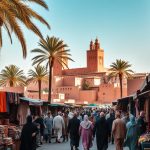
The Koutoubia Mosque is a key landmark in Marrakesh, famous for its towering minaret. This mosque is a stunning example of Almohad architecture. It stands as a symbol of the city. The minaret, at 69 meters, is a work of art that has inspired many architects.
Marrakesh boasts two notable palaces: the Bahia Palace and the El Badi Palace. The Bahia Palace, from the late 19th century, is known for its detailed craftsmanship. It features beautiful woodwork, zellij tilework, and carved marble. The El Badi Palace, built in the 16th century, was once a grand palace of the Saadian dynasty. Though much of it is ruined, it’s still a key historical site.
The Saadian Tombs, found in the 20th century, are another important site in Marrakesh. These tombs belong to the Saadian dynasty and are known for their stunning craftsmanship. Visitors can see the tombs and learn about Marrakesh’s history and culture during the Saadian era.
In conclusion, Marrakesh’s historical sites offer a look into the city’s past. From the Koutoubia Mosque to the Bahia and El Badi Palaces, and the Saadian Tombs, each site gives a unique view of the city’s culture and history.
When you enter Marrakesh, you feel the lively vibe of Jemaa el-Fnaa Square. This famous square is the city’s beating heart. Here, old traditions meet modern life in a perfect mix.
 |
| Explore Marrakech |
In the daytime, Jemaa el-Fnaa Square buzzes with life. You’ll see snake charmers and street artists drawing crowds. Traditional healers and vendors selling fresh orange juice and medicines add to the scene.
There are also many stalls selling unique handicrafts. It’s a great spot to find souvenirs.
At night, the square turns into a lively night market. The smell of grilled meats and Moroccan food fills the air. You can try these tasty dishes while exploring stalls with handicrafts and clothes.
The night market is a feast for your senses. The sounds, smells, and sights make for a memorable visit.
Visiting Jemaa el-Fnaa Square is a must in Marrakesh. It offers a peek into the city’s rich culture and lively Marrakesh attractions. Whether you’re there during the day or at night, it’s an adventure you won’t forget.
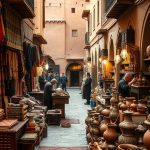
The souks of Marrakesh offer a unique shopping experience. You’ll see a world of colors, textures, and smells. It’s a feast for your senses.
Marrakesh’s souks are more than just one market. They’re a collection of markets, each with its own special items. You can find souks filled with spices, textiles, and handicrafts.
Spice souks smell of cumin, coriander, and cinnamon. Textile souks have vibrant fabrics and patterns. Handicraft souks show off local artisans’ skills in woodwork, pottery, and metalwork.
Bargaining is key in the souks. It’s about being polite but firm. Know the market value of what you want and be ready to walk away if the price is too high.
Building a good relationship with vendors can help. Smile, be respectful, and show interest in their work. This can lead to better deals and a fun experience.
Marrakesh’s souks have everything from spices and herbs to handicrafts and textiles. Look for traditional Moroccan items like tiles, rugs, or silver jewelry.
Spices and herbs are great for cooking at home. They make a wonderful gift or a way to decorate your home. Marrakesh’s souks have something for everyone.
| Item | Description | Average Price |
|---|---|---|
| Traditional Moroccan Tiles | Intricately designed tiles, perfect for home decor | $20-$50 |
| Hand-woven Rugs | Beautifully crafted rugs, made by local artisans | $50-$100 |
| Moroccan Spices | Aromatic spices and herbs, perfect for cooking | $5-$10 |
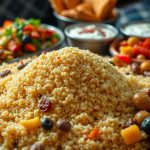
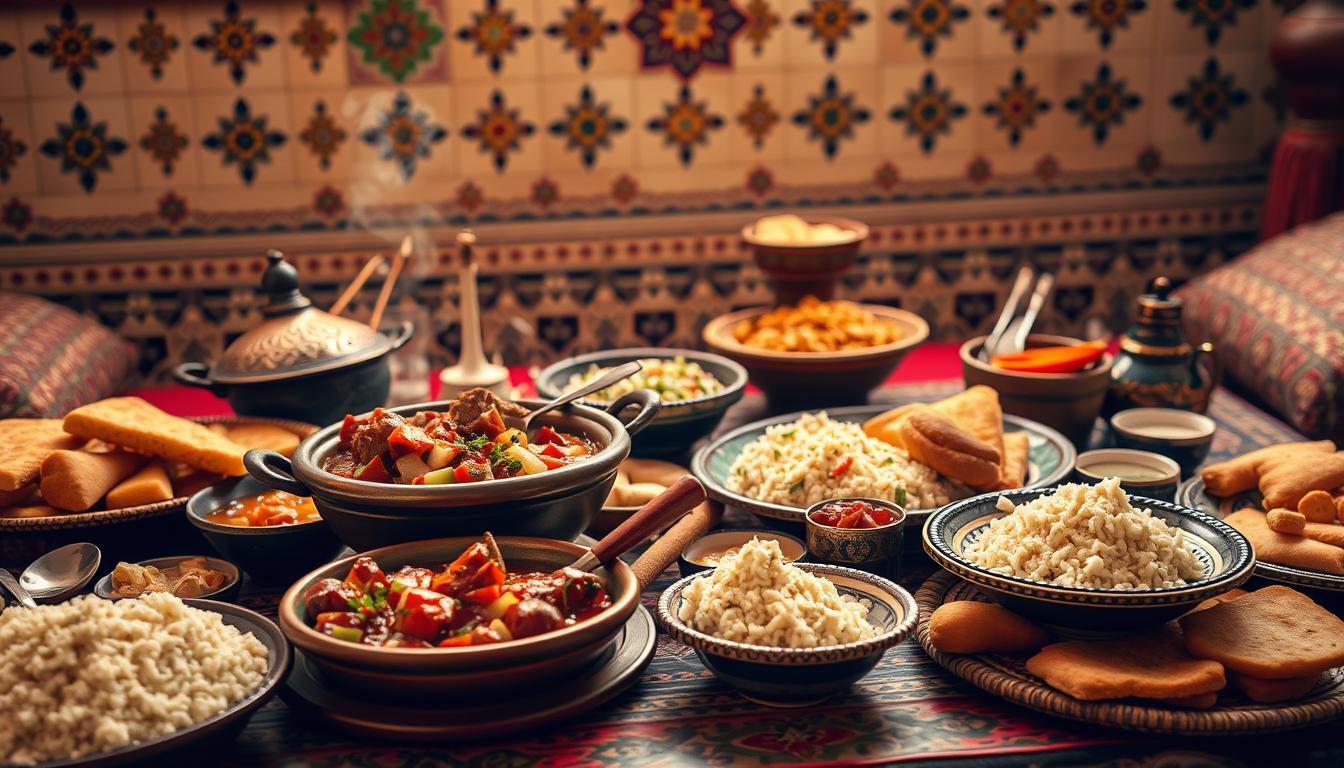
Exploring Marrakesh reveals a world of flavors that define traditional Moroccan food. The city’s food scene is a mix of Arabic, Mediterranean, and African tastes. This mix offers a wide variety of dishes to enjoy.
Moroccan food is known for its bold tastes and smells. You should try these dishes:
| Dish | Description | Main Ingredients |
|---|---|---|
| Tagine | Slow-cooked stew | Meat, dried fruits, spices |
| Couscous | Traditional North African dish | Semolina flour, vegetables, meat |
| Harira | Hearty soup | Tomatoes, lentils, chickpeas |
Marrakesh has many places to eat. For a real taste of local food, try street food stalls in Jemaa el-Fnaa Square. For a fancy meal, Le Grand Café de la Poste offers modern Moroccan dishes.
 |
| Explore Marrakech |
Moroccan tea culture is a big part of social life in Marrakesh. Drinking mint tea shows hospitality and friendship. Make sure to join in this tradition during your visit.
Exploring Marrakesh reveals a world of exciting day trips. The area is filled with diverse landscapes and cultural experiences. It’s perfect for your Moroccan adventure.
Visiting the Sahara Desert is a top choice from Marrakesh. You can see the majestic dunes, ride a camel, and enjoy the desert’s calm. Tours also include visits to Berber camps, where you can learn about local culture and traditions.
The Atlas Mountains offer a beautiful escape with their Berber villages. You can hike, visit homes, and see stunning views. This trip gives a unique look into Morocco’s traditional life.
Essaouira is great for a relaxing day trip. It’s a charming coastal town with beautiful beaches and a laid-back vibe. You can try water sports, explore markets, and enjoy fresh seafood.
| Day Trip Destination | Key Experiences | Approximate Duration |
|---|---|---|
| Sahara Desert | Camel ride, Berber culture, desert landscapes | 8-10 hours |
| Atlas Mountains | Hiking, Berber villages, scenic views | 6-8 hours |
| Essaouira | Beach relaxation, water sports, local markets | 4-6 hours (depending on transport) |
Exploring Marrakesh through this guide has likely left you enchanted. The city’s mix of old and new, rich history, and lively culture is unique. It promises an experience you won’t forget.
Whether you’re planning a trip or just dreaming of it, Marrakesh’s charm will stay with you. Every moment here is an adventure. From the Medina’s beauty to Moroccan food, Marrakesh has something for everyone.
So, pack your bags for Marrakesh. It’s a world of warmth, hospitality, and beauty. You’ll see why it’s a favorite among travelers.
The best months to visit Marrakesh are March to May and September to November. The weather is nice during these times. If you want fewer crowds, visit during the shoulder season.
Wear clothes that cover your shoulders and knees to respect the local culture. Also, bring comfortable shoes for the narrow streets in the medina.
Marrakesh is mostly safe for tourists. But, be careful in busy places like Jemaa el-Fnaa Square. Always protect yourself and your things.
You should see the Koutoubia Mosque, Bahia Palace, and El Badi Palace. Also, visit the Saadian Tombs and Jemaa el-Fnaa Square. The Majorelle Garden is a beautiful place to explore.
Yes, haggling is common in Marrakesh’s souks. Be ready to negotiate. If the price isn’t right, don’t hesitate to walk away.
Try tagine, couscous, and pastilla. Also, don’t miss traditional pastries like baklava and makroud. Experience the local tea culture too.
Yes, there are many day trip options. You can go to the Sahara Desert, the Atlas Mountains, and Berber villages. Or visit the coastal town of Essaouira.
Start at Jemaa el-Fnaa Square and explore the souks. If you’re worried about getting lost, get a map or guide. Be ready to walk a lot.
Learn phrases like “hello” (as-salamu alaykum), “thank you” (shukraan), and “how much?” (bikam?). Knowing these will help you interact with locals and show respect.