
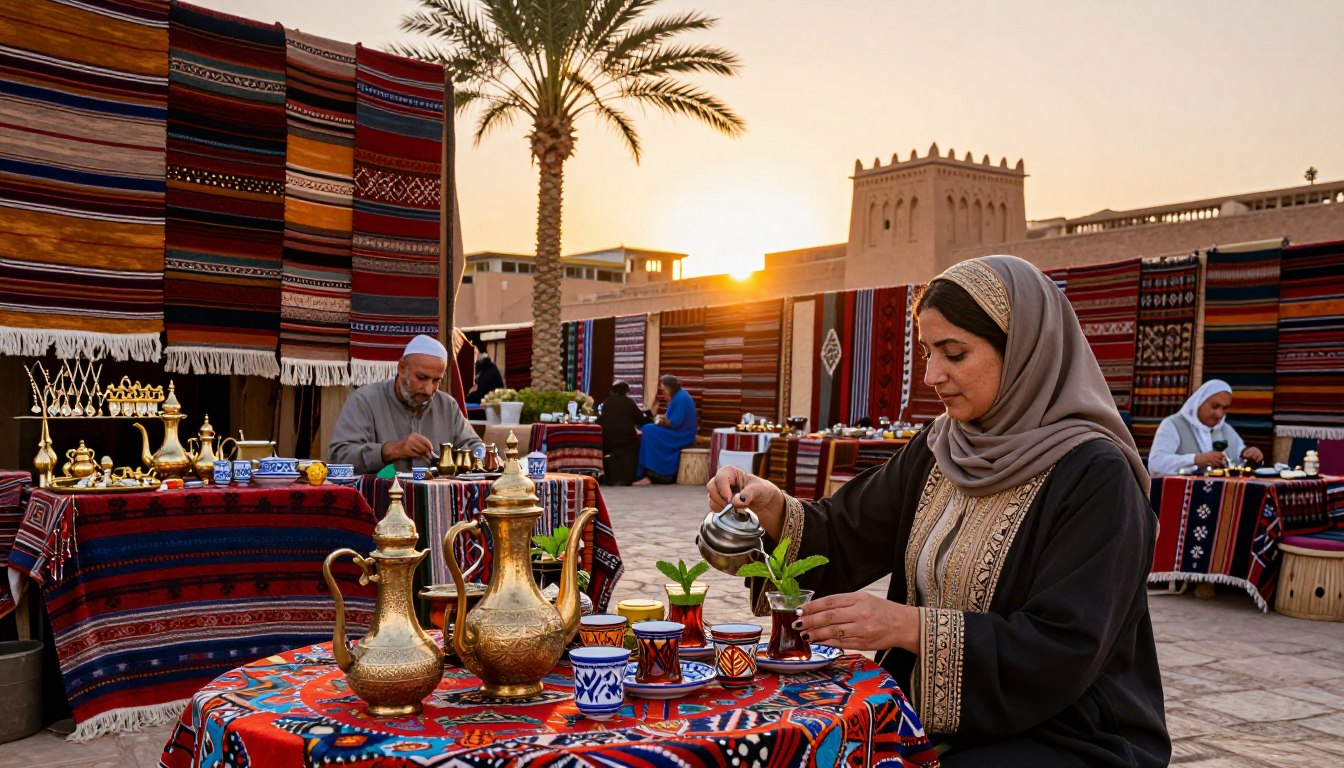
Discover the secrets of Morocco’s rich and diverse culture
culture artisanat du maroc, cuisine marocaine, culture nord-africaine, patrimoine culturel du maroc, traditions marocainesHave you ever felt a place calling to your soul before you even stepped off the plane? Morocco is that rare gem. Every sunset feels like a personal gift just for you. For centuries, poets and musicians have shared passionate stories about how this land captures the heart and never lets go.
It’s more than just the vibrant colors or the smell of fresh mint tea in the morning. The true beauty of la culture marocaine lies in the intangible qualities you feel in the warm breeze. It’s the sudden sense of belonging in a place that remains entirely new and mysterious to you.
When you explore the histoire du maroc, you see how deep these ancient traditions go. This land has an uncanny ability to captivate everyone who visits, regardless of their own background. It leaves you with a deep-rooted desire to return and relive every magical moment as soon as possible.
Key Takeaways
- Experience the magnetic pull that captivates travelers from around the globe.
- Discover how writers and artists find endless inspiration in these landscapes.
- Learn why the local heritage creates such a lasting emotional bond with guests.
- Explore the deep roots found within the vibrant traditions of the region.
- Understand why first-time visitors always feel a strong urge to return quickly.
The Historical Tapestry of Moroccan Culture
Morocco sits at the crossroads of Africa, Europe, and the Arab world. This unique spot has created a diverse culture. Exploring the country’s rich heritage shows how its location has shaped its history and culture.
Morocco looks out over the Mediterranean and Atlantic. It’s also deeply rooted in Africa and connected to the Silk Road. This mix of cultures is seen in its architecture, food, and traditions.
The Influence of Berber Roots and North African Heritage
The culture berbère, or Berber culture, is key to Moroccan identity. The Berbers, native to North Africa, have greatly influenced the country’s language, customs, and lifestyle. Their legacy is alive in Morocco’s many Berber tribes.
“The Berbers are the original inhabitants of Morocco, and their culture has been a cornerstone of the country’s identity throughout history.”
The héritage nord-africain, or North African heritage, also shapes Morocco’s culture. The country’s history is closely tied to its North African neighbors. They share common roots and traditions that have grown over time.
| Cultural Influence | Description | Impact on Moroccan Culture |
|---|---|---|
| Berber Culture | Indigenous to North Africa, influencing language and customs | Foundational element of Moroccan identity |
| North African Heritage | Shared history and traditions with neighboring countries | Contributed to the cultural diversity and richness |
| Phoenician and Roman Influence | Early external influences introducing new technologies and practices | Visible in archaeological sites like Volubilis |
The Layers of History: From Phoenicians to the Islamic Golden Age
Morocco’s history is a rich tapestry of cultures. From the Phoenicians to the Romans, and then the Islamic Golden Age, each era has left its mark.
Walili, or Volubilis, near Meknes, shows Morocco’s cultural mix. It reflects Berber and Roman influences. Exploring such sites helps understand the historical forces that shaped Moroccan culture.
The Islamic Golden Age had a big impact on Morocco. It brought advances in science, art, and architecture. This period saw the growth of important centers of learning and culture, enriching Morocco’s heritage.
Exploring the Artistic Soul of Morocco
As you explore Morocco’s lively streets, you’ll see its artistic soul is deeply connected to its rich culture. The air is filled with cedar wood scents, the sound of artisans, and intricate patterns everywhere.
Mastering the Intricacies of Moroccan Architecture
Moroccan architecture shows the country’s rich history. It combines Berber, Arab, and Mediterranean styles. This mix makes Moroccan buildings both beautiful and practical.
The Beauty of Zellige Tilework and Carved Plaster
Zellige tilework is a standout in Moroccan architecture. It uses small, glazed tiles in geometric patterns. This is often paired with carved plaster for stunning decorations.
The Significance of Riads and Medinas in Daily Life
Riads and Medinas are more than just buildings. They are part of daily life in Morocco. Riads have beautiful gardens and tilework. Medinas are old cities that show Morocco’s past.
| Architectural Feature | Description | Significance |
|---|---|---|
| Zellige Tilework | Intricate geometric patterns created using small, glazed tiles | Decorative element that reflects Moroccan craftsmanship |
| Carved Plaster | Intricately carved plaster used to adorn walls and ceilings | Adds texture and visual interest to Moroccan architecture |
| Riads | Traditional Moroccan houses with interior gardens or courtyards | Integral to daily life, providing a peaceful oasis in the midst of bustling cities |
The Vibrant World of L’art Marocain
L’art Marocain, or Moroccan art, is full of life and diversity. It includes traditional textiles, metalwork, and pottery. Each piece tells a story of Morocco’s history and creativity.
Traditional Textiles and Hand-Woven Rugs
Moroccan textiles are famous for their beauty and skill. Hand-woven rugs are especially prized for their patterns and colors.
The Art of Metalwork and Pottery
Moroccan metalwork and pottery are also highly valued. From metal lanterns to pottery, these arts are key to Moroccan culture.
Moroccan handicrafts are full of symbols. Animals like birds and camels hold deep meanings. These symbols connect to Morocco’s traditions and beliefs.
Savoring the Flavors of Cuisine Marocaine
Morocco’s food scene is a mix of traditions, thanks to its location at the crossroads of Africa, Europe, and the Arab world. Exploring cuisine marocaine, you’ll find a rich mix of flavors and smells. These reflect the country’s diverse heritage.
The Philosophy Behind the Moroccan Kitchen
Moroccan cooking combines local ingredients, spices, and slow-cooking. This creates dishes that are both healthy and tasty. This cooking style is rooted in Morocco’s history and culture.
Moroccan food is all about sharing meals and hospitality. It’s not just about eating, but also about the company and conversation. This is shown in the saying: “The food is not just for the stomach, but for the soul.”
“Food is the bridge between cultures, and Moroccan cuisine is a perfect example of this, blending different traditions into a unique and delicious whole.”
Iconic Dishes You Must Experience
Moroccan food is famous for its iconic dishes, each with its own story and cultural importance. Two standout dishes are the tagine and couscous.
The Art of the Tagine
The tagine is a slow-cooked stew cooked in an earthenware pot. It’s a showcase of Moroccan cooking, with its rich flavors and tender ingredients. The tagine often includes meat, vegetables, and dried fruits, all cooked slowly in a clay pot with a conical lid.

Couscous is more than a dish; it’s a symbol of community and tradition. It’s a staple, especially on Fridays and special occasions. Couscous is made from semolina flour and is served with vegetables, meat, and spices.
The Ritual of Moroccan Mint Tea
Moroccan mint tea is a must-mention in any discussion of Moroccan cuisine. It’s a key part of Moroccan hospitality, often served to guests as a sign of respect and welcome.
Making Moroccan mint tea is an art, with the tea brewed carefully and served in small glasses. Drinking this tea lets you join a tradition deeply rooted in Moroccan culture.
Immersing Yourself in Traditions Marocaines and Music
Exploring Morocco’s vibrant culture, you’ll find that traditions marocaines and musique marocaine are closely linked. The country’s rich heritage shines through in its music and festive traditions.
The Rhythmic Heart of Musique Marocaine
Moroccan music is a key part of the country’s identity. It has many styles, from Gnawa’s soulful tunes to Andalusian’s classical pieces. Musique marocaine shows the country’s varied cultural influences.
Gnawa Music and Its Spiritual Roots
Gnawa music comes from sub-Saharan Africa and is deeply spiritual. It’s not just music but a way to connect with the divine. Traditional instruments like the guembri and qraqeb make Gnawa music unique.
Andalusian Classical Music and Folk Traditions
Andalusian classical music highlights Morocco’s cultural richness. It features complex melodies and poetic lyrics, often inspired by history and literature. Folk traditions also add to the diversity of Moroccan music, showcasing the country’s varied cultural landscape.

Celebrating Life Through Festivals and Customs
Moroccan culture is vibrant, with many festivals and customs. Events like the Amazigh New Year and Eid al-Fitr bring people together. They celebrate the country’s rich cultural diversity.
The Importance of Hospitality in Moroccan Society
Hospitality is key in Moroccan culture. Visitors are often welcomed with traditional tea and local food. This shows the country’s values of generosity and respect.
Traditional Attire: The Elegance of the Djellaba and Kaftan
Traditional clothes, like the djellaba and kaftan, are important in Moroccan culture. These elegant outfits are worn on special occasions. They showcase the country’s rich textile heritage.
Conclusion
Exploring Morocco, you find that its culture is rich and vibrant. It’s made up of history, art, and traditions. The mix of Berber, North African, and Islamic influences makes it unique.
You’ve seen the history, admired the architecture, and tasted the food. You’ve also felt the rhythm of Moroccan music. Each experience shows the depth and variety of Moroccan culture.
La culture marocaine is alive and always changing. Reflecting on your travels, you appreciate Morocco’s spirit and wonders even more.