Physical Address
304 North Cardinal St.
Dorchester Center, MA 02124
Physical Address
304 North Cardinal St.
Dorchester Center, MA 02124


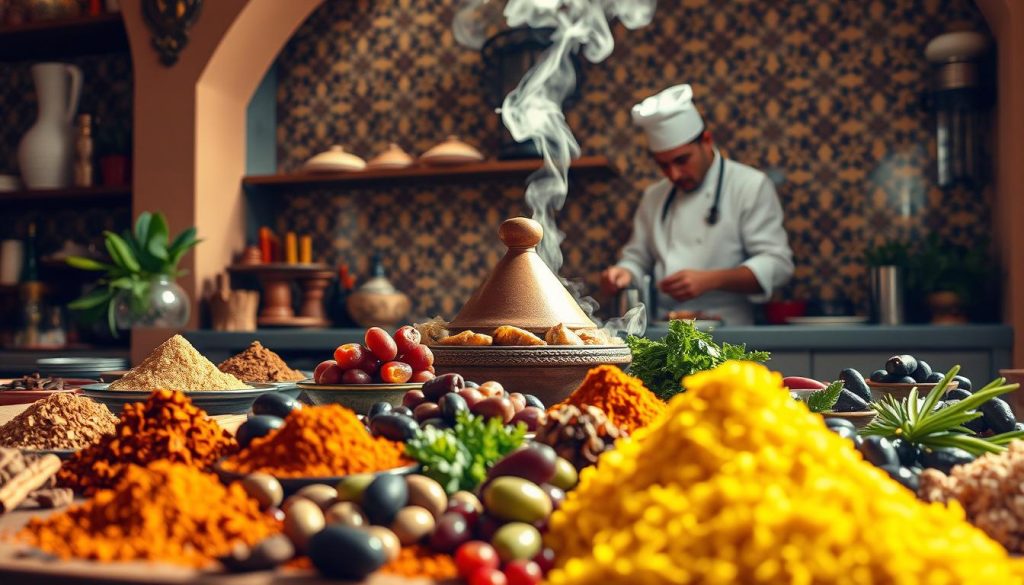
Imagine tasting a dish that carries whispers of Berber tribes, Arab traders, and French patisserie masters. This isn’t just cooking – it’s edible archaeology. Morocco’s culinary identity grew at the meeting point of Africa, Europe, and the Middle East. Each recipe tells stories of conquests, migrations, and shared humanity.
From the Atlas Mountains to coastal ports, geography shapes every meal. Rugged terrain birthed slow-cooked tagines. Coastal winds brought preserved lemons and salted fish. Even the saffron in your couscous might trace back to Andalusian gardens tended by 15th-century exiles.
But here’s what most miss: meals here are living rituals. Families gather around communal plates, using bread as edible utensils. Mint tea ceremonies turn strangers into friends. These traditions survive because they’re not just about eating – they’re about belonging.
Morocco’s culinary story reads like a spice-scented history book. Each chapter reveals how cultures blended to create dishes that feel both ancient and inventive. Let’s unpack how centuries of migration and exchange shaped what’s on your plate today.
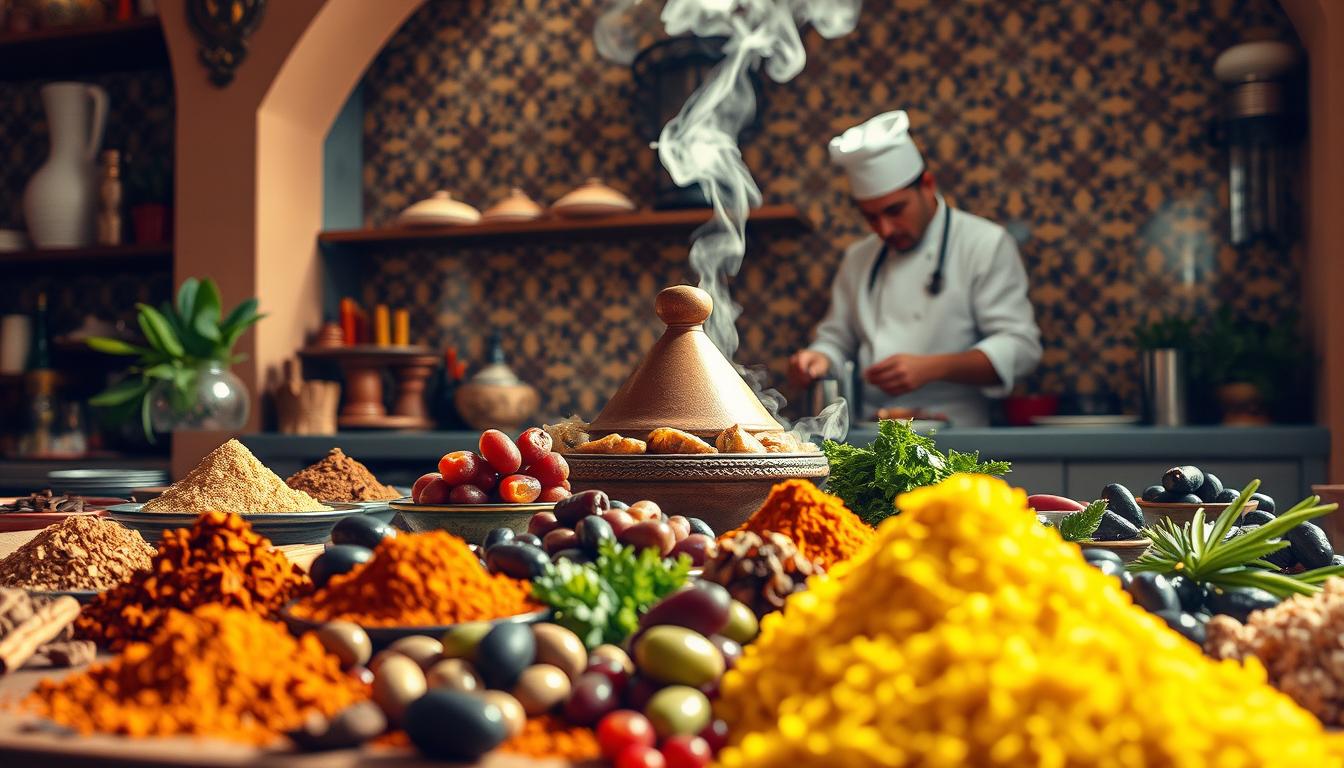
The Berbers, North Africa’s indigenous people, built their food around what the land provided. They perfected preserving meats with salt and sun-drying fruits – survival tactics that became flavor secrets. When Arab traders arrived in the 7th century, they brought saffron and cumin, transforming simple meals into aromatic feasts.
« A Moroccan kitchen without spices is like a sky without stars. »
Spanish Muslims fleeing persecution in the 1400s introduced olives and citrus groves. Their arrival birthed iconic combinations like chicken with preserved lemons. Centuries later, French colonizers left their mark through flaky pastries and café culture. Yet these additions never erased what came before – they simply added new layers.
| Period | Influence | Key Addition |
|---|---|---|
| Ancient Berber | Local Ingredients | Barley, dates, clay pot cooking |
| 7th Century Arab | Spice Trade | Saffron, cumin, coriander |
| 15th Century Andalusian | Mediterranean Flavors | Olives, citrus, irrigation techniques |
| 20th Century French | European Techniques | Puff pastry, café au lait |
This heritage explains why your first bite of pastilla (savory-sweet pie) might remind you of French mille-feuille – but with North African spices singing through every layer. It’s not fusion; it’s culinary evolution.
Moroccan tables aren’t just set with dishes—they’re stages for cultural storytelling. Picture sitting cross-legged on embroidered cushions, fingers poised to tear warm bread from a shared loaf. This is where nourishment meets connection.
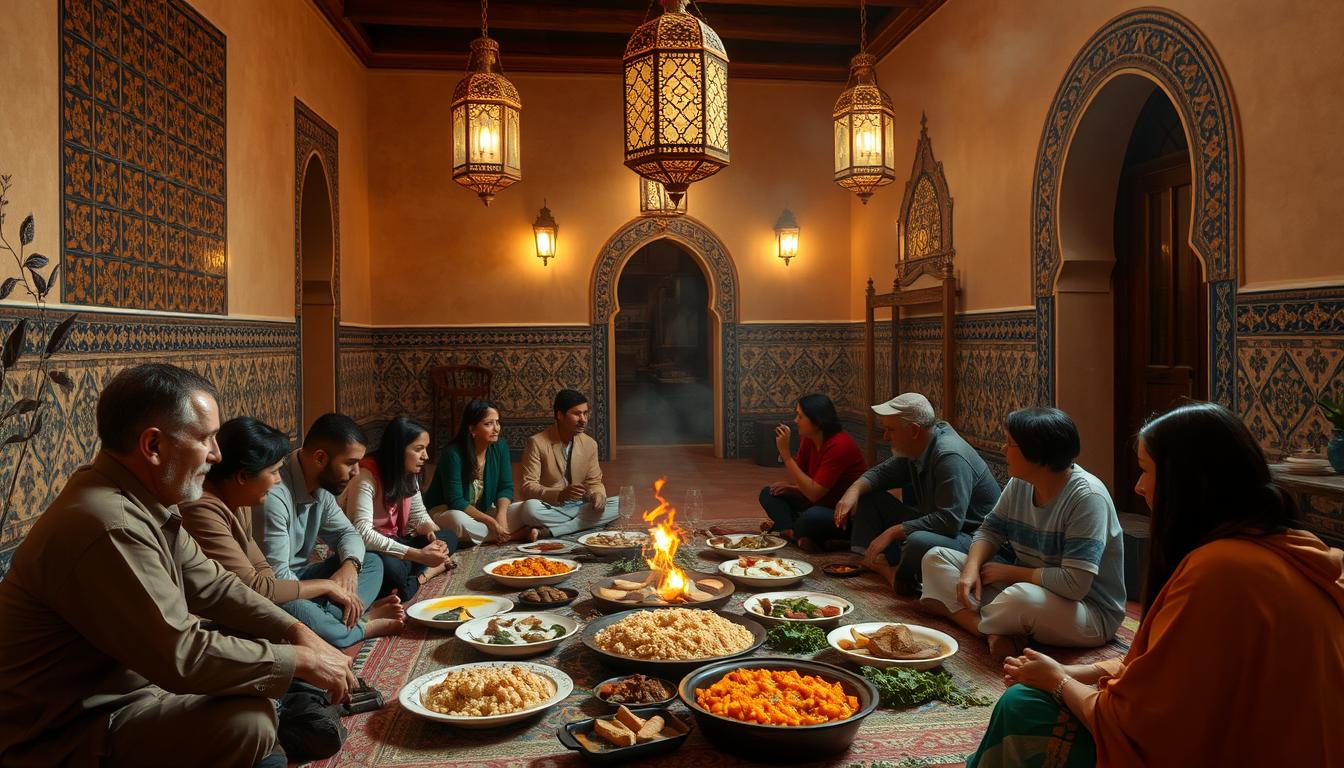
Communal platters reveal deeper cultural codes. Families gather around tagines, using khobz bread to scoop tender meats and vegetables. In desert camps, nomadic hosts serve sweet mint tea in engraved glasses—a gesture of welcome unchanged for generations.
Three distinct settings shape dining experiences:
The artistry extends beyond flavors. Ceramic bowls painted with henna patterns hold fragrant couscous. Silver teapots glint as they pour amber liquid into glasses—each detail reflecting centuries-old craftsmanship.
« To eat alone is to taste only half the meal. »
You’ll notice hands replacing forks in many homes. This tactile tradition creates intimacy with ingredients—feeling the give of slow-cooked onions, the crunch of almond-topped pastilla. It’s cuisine experienced through touch as much as taste.
From wedding feasts lasting seven days to Friday couscous shared with neighbors, every meal strengthens community bonds. What appears as simple hospitality actually preserves ancestral wisdom—one steaming teapot at a time.
At the heart of every kitchen lies a symphony of clay pots and steaming grains. These iconic dishes transform simple ingredients into layered masterpieces through time-honored techniques.
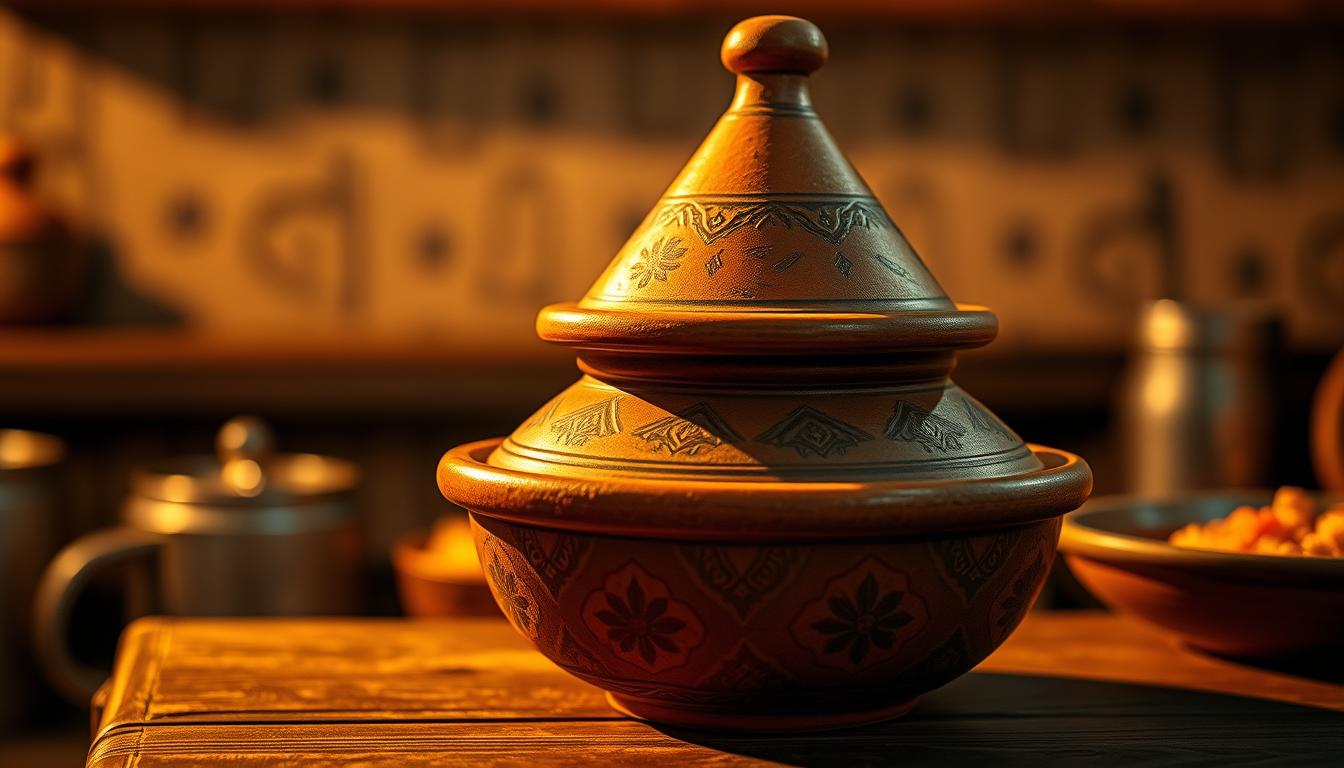
The tagine does double duty – it’s both a vessel and a meal. This earthenware pot works like a flavor recycler. Its conical lid catches rising steam, showering ingredients with condensed juices repeatedly. You’ll find versions simmering for hours with:
| Variety | Protein | Signature Additions |
|---|---|---|
| Lamb Tagine | Tender chops | Prunes, almonds, cinnamon |
| Chicken Tagine | Free-range poultry | Preserved lemons, green olives |
| Fish Tagine | Coastal catch | Chermoula marinade, artichokes |
Each version proves how the pot’s design coaxes out deep flavors. Meat becomes fork-tender while spices infuse every bite.
On a Friday afternoon, families gather around piles of couscous. The process begins with semolina grains steamed three times in couscous. . This two-recipe dish allows you to cook meat, vegetables, and flavor the grains below.
« The hands that roll couscous grains carry generations of wisdom. »
Top your plate with caramelized onions, chickpeas, and raisins. The dish balances sweet and savory – much like the culture that created it. Whether served in cities or villages, it remains a edible symbol of unity.
Behind every great dish lies a carefully curated pantry of spices and seasonal produce. These elements form the building blocks of flavor, transforming simple meals into vibrant experiences. Let’s uncover what makes these components indispensable.
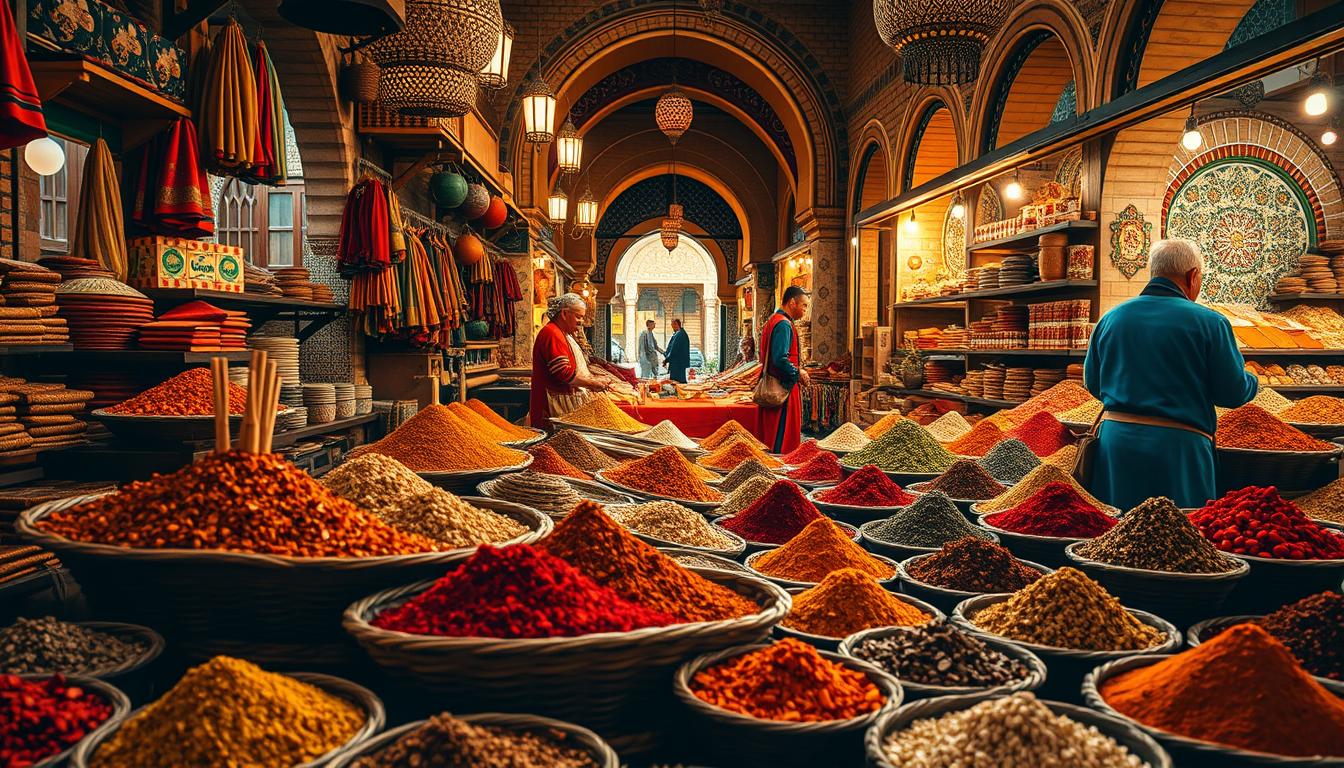
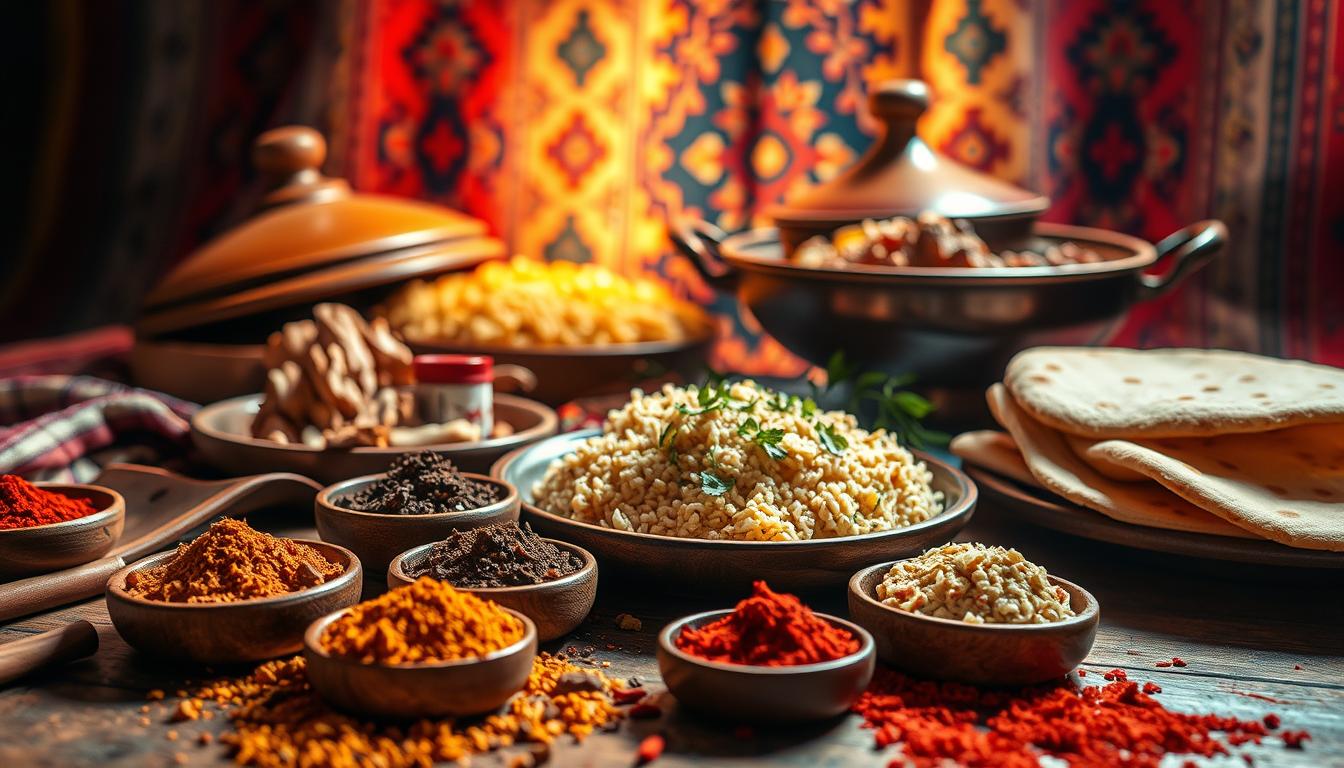
Ras el hanout reigns supreme among spice blends. Meaning « head of the shop, » this mix might include cardamom, clove, and dried rose petals. Toasting whole spices before grinding unlocks their full aroma.
Cinnamon adds warmth to savory tagines and sweet pastries alike. Cumin grounds dishes with earthy notes, while paprika lends smoky depth. « The true art lies in balancing warmth with brightness, » as Marrakech spice vendors often say.
Parsley and coriander garnish salads such as zaalouk (eggplant sauce). Mint stars in refreshing tea and cucumber garnishes. Seasonal vegetables – alliums, zucchini and tomatoes – are a variety of stews.
Preserved lemons cut through rich meats with their tangy punch. Dried fruits like apricots add sweetness without overpowering. These elements showcase how simple ingredients create complex harmonies when combined thoughtfully.
In North African kitchens, extraordinary meals emerge from centuries-old methods. These techniques turn basic ingredients into complex flavors through careful heat management. Clay vessels and hand tools become extensions of the cook’s skill.
The tagine pot works like a flavor incubator. Its wide base allows even heat distribution, while the conical lid creates a self-basting system. Moisture rises, condenses, and drips back onto ingredients for 6-8 hours.
| Tagine Type | Material | Best For |
|---|---|---|
| Classic Clay | Unglazed earth | Authentic slow-cooked stews |
| Modern Ceramic | Glazed finish | Oven-to-table presentation |
| Cast Iron | Enameled metal | High-heat searing |
This two-part pot separates liquid stew from steaming grains. The lower chamber simmers broth, while perforations let aromatic steam cook couscous above. Traditional cooks fluff grains by hand between three steam cycles.
Other essentials include:
« The right tool doesn’t just cook food—it whispers secrets from grandmothers’ kitchens. »
From spice grinders to serving platters, each utensil reflects a blend of function and cultural identity. Mastering these tools connects you to generations who perfected cooking as both science and art.
Step into a Moroccan market at sunrise. Your senses dance between spice pyramids and sizzling grills. This is where culinary traditions come alive through human connection.
Markets pulse with energy. Vendors arrange saffron threads like golden art. You’ll smell charcoal-grilled meats mingling with orange blossom water. Street cooks serve harira soup to morning crowds—its lentils and tomatoes warming hands and hearts.
Don’t miss the snail carts. These mobile kitchens simmer mollusks in thyme-infused broth. Locals gather, swapping stories between slurps. Every stall offers a taste of daily life.
Mint tea flows like liquid hospitality. Called “Berber whiskey,” its sweet steam rises from silver pots. Watch servers pour from shoulder height—the frothy cascade aerates the blend of gunpowder tea and fresh spearmint.
« The first glass is gentle, the second strong, the third sweet as friendship. »
Meals become bridges here. Families pass bread-dipped tagines clockwise. Strangers bond over shared almond pastries. Through these acts, hospitality transforms sustenance into belonging—one sip, one bite, one laugh at a time.
Ras el hanout combines over 20 spices, including cinnamon, cumin, and cardamom, creating complex layers of flavor. Each spice merchant crafts their own blend, reflecting regional traditions and personal expertise.
The cone-shaped tagine lid traps steam, allowing meat and vegetables to cook evenly while absorbing aromatic spices. This method preserves moisture and intensifies the dish’s richness without overpowering individual ingredients.
Couscous symbolizes togetherness, often prepared weekly for Friday gatherings. Hand-rolled semolina grains are steamed in a couscoussier, paired with savory stews, and shared to celebrate unity and heritage.
Known as « Moroccan whiskey, » mint tea blends green tea, fresh spearmint, and sugar. It’s served ceremoniously to welcome guests, seal business deals, or unwind after meals, embodying warmth and hospitality.
Bustling markets like Marrakech’s Jemaa el-Fnaa offer vibrant stalls with saffron, olives, and preserved lemons. Haggling for ingredients connects you to local growers, ensuring freshness while honoring centuries-old trade practices.
Yes! Tagines often feature seasonal vegetables like carrots, zucchini, and eggplants, simmered with chickpeas and dried fruits. Dishes like zaalouk (eggplant dip) highlight plant-based flavors without sacrificing depth.