
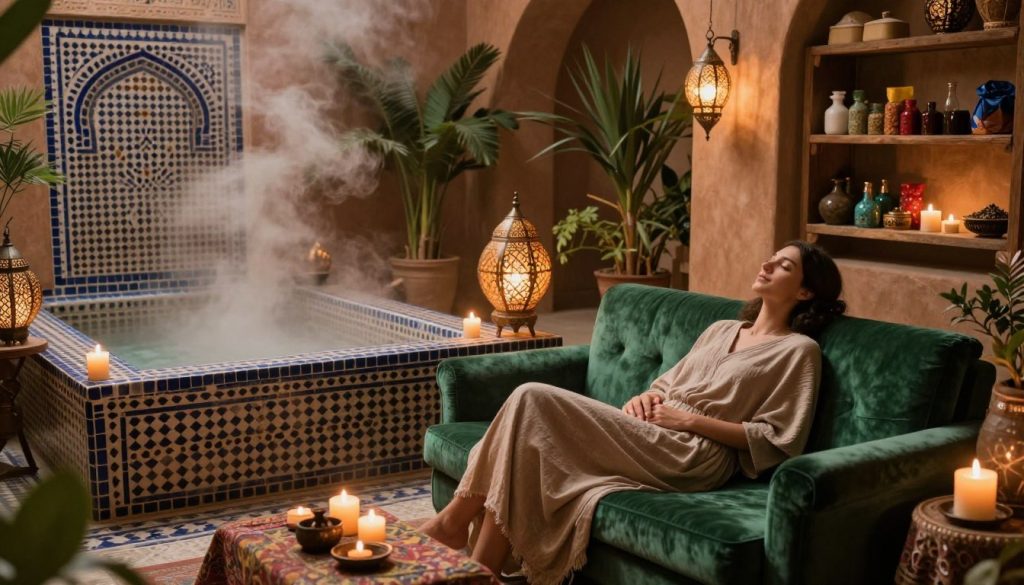
You arrive tired, senses full from the medina’s colors and the coastal breeze, and you want more than a quick soak—you want a moment that restores body and calm. This guide helps you fit a classic hammam or a quieter private spa into your travel plan so relaxation becomes part of your cultural rhythm, not an afterthought.
You’ll learn who offers public rituals versus private treatments, how to book, and what to pack. Expect clear tips on etiquette and pacing so you feel confident from the first step through the steam rooms.
This is written for U.S. travelers who want to pair sightseeing with recovery. I’ll show how wellness links to daily life and local tourism traditions, and preview the choices you’ll make—where to go, how to save, and how to avoid common tourist mistakes.
Key Takeaways
- Understand what a true hammam or private spa experience feels like.
- Choose between public and private options based on comfort and budget.
- Learn simple etiquette and what to bring for a smoother visit.
- Pair spa time with walking-heavy days to pace your travel well.
- Get practical booking and communication tips for U.S. travelers.
Why a Moroccan Hammam Belongs on Your Morocco Travel Itinerary
Stepping into a hammam gives you a sensory window onto daily life, not a staged show for visitors. The ritual is practical and social: people gather, wash, and share quiet conversation. You feel the rhythm of local culture through scent, steam, and small acts of care.
Community norms matter here. Hammams are shared spaces with clear etiquette, so expect a straightforward, purposeful approach to washing. Visitors are often welcomed warmly and may be invited for tea afterward—an authentic pause with locals.
Fit a hammam to your trip: a short city stop can handle a quick 45–60 minute scrub, while longer journeys allow a two-hour relaxation block or a full spa day between city hops. For one- or two-night stays, schedule spa time early to ease jet lag or later to recover after long walking days and hot afternoons.
If communal bathing feels unfamiliar, ask for modesty options or book a private session. That way you get cultural immersion with comfort, and your visit supports local tourism and respectful exchange.
Tourism in Morocco Today: What the Visitor Boom Means for Your Experience
Record visitor numbers are reshaping how you plan spa days and city routes.
In 2024 the country welcomed 17.4 million tourists — a 20 percent jump versus 2023. That growth brings more choices: new packages, more hotel spas, and added services aimed at tourists. It also means peak-season crowds at major destinations can swell quickly.
Most visitors cluster around Marrakesh, Agadir, coastal areas, and heritage cities. Casablanca and Tangier remain busy gateways, especially for cruise passengers. If you want quieter neighborhoods, plan outside the busiest days or book a private hammam session early.
The exchange rate and local price dynamics often make this country feel like strong value for U.S. travelers. You’ll find competitive prices on dining, transport, and some spa treatments, though top riad and hotel services match global city rates.
Rising demand affects hammams and spas: expect more advance bookings, packaged tourist offerings, and a mix of authentic and visitor-facing experiences. Choose timing and neighborhood carefully so your spa day stays restorative, not rushed.
Understanding the Traditional Moroccan Spa Experience
Your spa choice will shape how private, authentic, and restorative your visit feels. Pick a place based on privacy, budget, and how much local rhythm you want. Each option offers similar building blocks, but the mood and pace change.
Hammam, riad spa, and hotel spa — quick differences
Hammam (public): A community washhouse with shared steam rooms, bucket rinses, and a brisk exfoliation. Expect a social atmosphere and customary etiquette.
Riad spa: Small, quiet, and often family-run. You get private rooms and local products, so the services feel intimate and rooted in culture.
Hotel spa: Polished, private suites with consistent service menus. Useful when you want a familiar hotel standard and clear pricing.
Core treatments you’ll see across cities
Most sessions follow the same way: heat and steam, a controlled rinse, a coarse scrub, then an optional massage. Intensity varies: scrubs can feel very brisk or gentle.
Speak up about pressure or pace. Staff expect requests and will adjust to keep the experience relaxing.
Local products and simple hospitality
Black soap, clay masks, argan or olive oil, and herbal rinses are common. These products tie the service back to daily life and local people.
Many places offer mint tea afterward. Take that pause—it’s part of the social rhythm and a polite way to close the visit.
| Place | Privacy | Typical services | Best for |
|---|---|---|---|
| Traditional hammam | Shared | Steam, bucket rinse, exfoliation | Authentic routine, budget travelers |
| Riad spa | Private rooms | Steam, scrub, oil treatments, massage | Quiet, cultural immersion |
| Hotel spa | Private suites | Full menu, predictable timing, add-ons | Comfort, clear pricing, convenience |
Choosing the Right Place: Cities, Destinations, and Where Hammams Shine
Choose the right city and you’ll set the tone for whether your spa day feels like a ritual or a resort break. Below is a quick guide to match your mood and schedule to the best destinations and places for a hammam or spa day.

Marrakesh
Marrakesh is high energy with many places to choose from. Book early on busy days so your visit fits other activities.
Fez
Fez has a quieter, heritage-forward feel. If you want tradition and slower pacing, pick a small riad spa near the medina.
Tangier and Casablanca
These cities are practical for short stays or cruise schedules. Choose convenient spots that respect tight windows.
Agadir beach area
The beach area favors resort spas and easy recovery. It’s ideal for low-activity days after long travel or outdoor activities.
Atlas Mountains and High Atlas
Pair trekking with a restorative hammam or massage to reduce soreness. Mountain lodges often offer transfers and scheduled treatments.
Desert add-ons near Merzouga
After dune activities, you’ll appreciate luxury camp comforts and bundled wellness touches that help you recover from sun and long rides.
What to Do Before You Go: Booking, Budget, and Timing Your Spa Day
Plan the practical steps now so your spa day fits your schedule, budget, and energy level.
Compare offerings across a hotel, riad, or an independent provider by checking the treatment list and customer notes. Ask for total price up front and note whether scrub, steam, and oil are bundled or sold separately.
When a guide helps — and when to book direct
A guide can save time, handle language, and prevent common tourist missteps. Book guides for tight schedules or complex routes. If you prefer control and lower price, book directly with a trusted riad or hotel.
Timing, trains, and recovery
Estimate treatments by blocks: 30–45 min for quick scrubs, 60–120 min for full sessions. Allow 30 min after a train ride to stretch and hydrate before your appointment.
- Pack: swimsuit or underwear, hair tie, sandals, small toiletries.
- Track baggage allowance if you plan to buy black soap, clay, or textiles.
- Negotiate price politely and write down the agreed number if language is a barrier.
Step-by-Step: How Your Hammam Visit Usually Flows
A simple step-by-step flow helps you relax—here’s what usually happens during a hammam visit.

Arrival and check-in
At check-in you’ll be asked for your name and payment. You may receive a towel, slippers, and access to a changing area.
Tip: Use a few clear phrases or show the booking confirmation to avoid confusion.
Steam and rinse
Start with 10–15 min in the steam to loosen muscles. Take breaks if you feel lightheaded.
Rinses are brief; staff often pour water from a bucket. Be mindful of water scarcity and follow the local way of using small amounts.
Scrub, exfoliation, and add-ons
The scrub can be intense—expect firm pressure for 5–15 min. Speak up if you want gentler pressure.
Massages or oil treatments are offered after; they usually add 20–60 min depending on what you choose.
Aftercare and social moment
Hydrate, avoid heavy sun exposure, and plan light activity for the rest of the day. People often offer mint tea—accepting it is a friendly local custom.
“Listen to your body, ask for what you need, and enjoy the human connection.”
Etiquette, Safety, and Responsible Tourism Tips for Hammams and Spas
Small choices—how you dress, speak, and use water—shape a calm, respectful hammam visit.
Modesty and gender norms
Hammams usually separate by gender: different rooms or set times for women and men. Ask when you book so you don’t arrive at the wrong hour.
Read the room: follow local cues on how much to cover and when to keep conversation low. If you’re unsure, choose private riad slots for more privacy.
Water use and local respect
This country faces water limits. In public hammams, use shorter rinses and accept the bucket routine. Staff are used to efficient water use—mirror that behavior.
Tipping and haggling basics
Tipping is customary; a baseline of around 10% keeps things simple. When haggling for extras or products, start lower and meet halfway.
“Write down the agreed price if language is a barrier—it’s polite and prevents confusion.”
Photography and permission
Always ask before photographing people. Expect a refusal. In busy tourist spots some locals may request payment for posed photos; respect that boundary.
Health, safety, and ethical choices
Stay alert in crowded areas for pickpockets and keep valuables secure. Check government travel updates before trips and follow local advice.
Support small, locally owned services so your spending benefits people and helps keep cultural practices alive for the world and future tourists.
Conclusion
End your trip with a simple plan that balances culture, rest, and practical choices.
Pair short hammam or spa sessions with visits to iconic buildings, medinas, and UNESCO sites so your travel days feel varied and gentle. Pick one base city and let that be your hub for day walks and slow afternoons.
Decide what to book, what to bring, and how to behave respectfully. Keep realistic time blocks—avoid packing too many cities into a few nights.
Responsible spending helps local people and protects the charms that draw tourists and visitors from around the world.
Next step: choose your base, reserve a time window, and build recovery into each day.