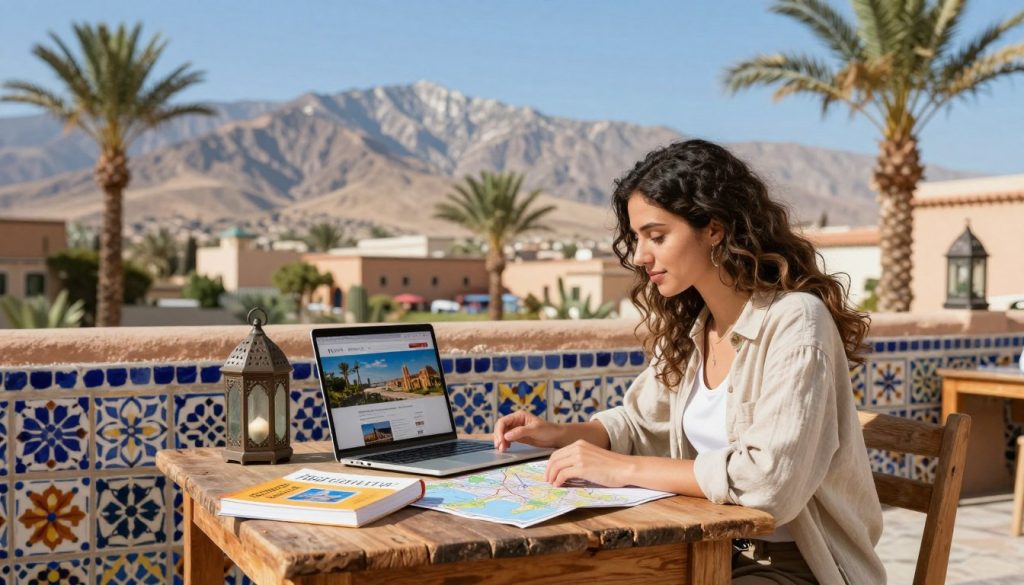
Have you ever thought about a place with golden Sahara dunes and snowy High Atlas peaks? For many, tourisme au maroc is a dream of vibrant colors, ancient history, and spices. Yet, planning a trip to North Africa can seem daunting for beginners.
Starting your journey is the first step to a magical experience you’ll never forget. Marrakech’s alleys and Chefchaouen’s blue streets are full of adventure. You want a trip that’s well-planned but also open to surprises.
This guide makes tourism in Morocco easy for you. You’ll learn about packing, destinations, and local culture. Get ready for a trip that will excite your senses and expand your world.
Key Takeaways
- Identify the best months to visit for mild weather and smaller crowds.
- Learn how to dress modestly to respect local cultural norms and traditions.
- Understand the importance of carrying cash for small vendors and traditional souks.
- Determine the best transportation options between major cities like Fes and Casablanca.
- Discover why booking a guided desert excursion in advance is essential for safety.
- Prepare for a unique blend of Arabic, Berber, and French linguistic influences.
1. Determine the Best Time for Tourism in Morocco
The best time to visit Morocco depends on what you want to do and see. The weather changes a lot from one place to another.
Spring and Fall: The Ideal Seasons for Your Visit
The spring (March to May) and fall (September to November) are the best times to visit. The weather is mild and nice, perfect for seeing cities, historic sites, and nature. Spring is great for hiking and outdoor fun because of the blooming flowers and good temperatures.
Understanding Regional Weather Variations
Morocco’s weather changes a lot from north to south. The north has cool, wet winters and hot, dry summers. The south has very hot desert weather.
The Atlas Mountains are cool even in summer. Places like Merzouga in the desert are very hot.
Avoiding Crowds: Peak vs. Off-Peak Travel Periods
The peak tourist season is spring and summer when schools are out. If you want fewer people, visit in the off-peak seasons. Autumn is a good time to see Morocco without the crowds and you might find cheaper places to stay and tours.
Thinking about these things helps plan your trip to Morocco. You can make sure you have a great time.
2. Check Visa Requirements and Entry Documentation
Before you start your Moroccan adventure, it’s important to know what you need to enter the country. Having the right documents will make your arrival smooth and easy.
What US Citizens Need to Know About Visa-Free Entry
US citizens can enter Morocco without a visa for a certain time. Usually, Americans can stay for up to 90 days without a visa. Always check the latest rules before you go, as they can change.
Passport Validity and Essential Requirements
Your passport must be valid for at least six months after your stay in Morocco. Also, make sure you have some blank pages for stamps. It’s wise to make photocopies of your passport and leave one with someone you trust back home.
Understanding Moroccan Customs Declarations
When you arrive, you’ll need to fill out a customs form. Morocco has rules about bringing in and taking out certain items. You must declare everything you bring, including gifts and things you buy while there. Some items, like antiques and cultural artifacts, need special permits.
To avoid problems, know what you can’t bring and declare your items correctly. Morocco has lots of attractions touristiques marocaines to explore!
3. Establish Your Morocco Travel Budget
Knowing your budget is key to a stress-free trip to Morocco. As you get ready to explore Morocco, understanding your expenses is vital. This way, you can fully enjoy your time in Africa.
Daily Expenses: What to Expect in Different Cities
Daily costs in Morocco change based on the city. Marrakech is pricier than places like Chefchaouen. You might spend $30-50 daily on food, travel, and sights.
Accommodation prices vary a lot. You can find cheap riads or splurge on luxury hotels. Looking ahead can help you snag great deals.
Handling Moroccan Dirhams and Payment Options
The local money is the Moroccan dirham. Many places take credit cards, but having dirhams for small buys and souks is smart. You can exchange money when you arrive or get dirhams from ATMs.
Budget-Friendly Strategies for First-Time Travelers
To cut costs, travel off-season, stay in budget places, and eat at local spots or street food. Bargaining is common in Morocco, so go for it.
With good budget planning, you can have a great time in Morocco without worrying about money.
4. Book Your International Flights
Booking your flights to Morocco is the first step to an amazing adventure. Morocco has many international airports. This means you can choose from several places to start your journey.
Major Moroccan Airports: Casablanca, Marrakech, and Tangier
Morocco has big airports for international flights. The main ones are Casablanca Mohammed V Airport, Marrakech Menara Airport, and Tangier Ibn Battouta Airport. Casablanca is the biggest and a key hub for international flights. Marrakech is a top spot for tourists going to the imperial city.
Finding Affordable Flights from the United States
To find cheap flights from the United States, compare prices. Look at different airlines and book early. Use websites to compare prices and find deals. Being flexible with your travel dates can also help you save money.
Choosing Between Direct and Connecting Routes
When booking, you must choose between direct and connecting flights. Direct flights are quicker but might cost more. Connecting flights are cheaper but take longer. Think about what matters most to you when making your choice.
5. Select Your Destinations and Build Your Itinerary
Planning your Morocco trip can be thrilling yet daunting. Morocco boasts a rich culture and varied landscapes, offering many places to see. Think about what each spot can offer as you plan.
Marrakech: Your Gateway to Moroccan Culture
Marrakech is a lively city that opens doors to Moroccan culture. Its busy souks, historical sites, and cultural experiences are a must-see. Don’t miss Jemaa el-Fnaa square, the Bahia Palace, and the local food.
Casablanca: Morocco’s Modern Metropolis
Casablanca is Morocco’s modern heart, known for its architecture, nightlife, and culture. See the stunning Hassan II Mosque, a top sites touristiques de casablanca spot. It shows the city’s mix of old and new.
Fes: The Medieval Wonder
Fes is a medieval marvel, with its ancient medina and landmarks. Wander the old city’s narrow streets, see the Al-Attarine Madrasa, and see local crafts.
Sahara Desert Adventures in Merzouga
Merzouga offers a unique adventure in the Sahara Desert. Enjoy camel rides, watch the sunset, and sleep under the stars in a desert camp.
Coastal Escapes: Essaouira and Agadir
For a calm trip, visit coastal towns like Essaouira and Agadir. Essaouira has a lovely medina, beaches, and arts. Agadir has modern comforts and coastal views.
By picking these spots and making your itinerary, you’ll have a memorable Moroccan trip. It will be filled with expériences culturelles au maroc that you’ll always remember.
6. Choose and Book Your Accommodations
Choosing the right place to stay in Morocco can really make your trip better. You can pick from traditional riads, modern hotels, or boutique stays. Each option fits different budgets and travel styles.
Staying in Authentic Moroccan Riads
Riads give you a real taste of Morocco. These old houses with gardens are in Marrakech and Fes medinas. They let you live like a local, offering a deep cultural experience.
Modern Hotels and Boutique Options
For a modern stay, Morocco has many hotels and boutiques. They mix comfort with traditional and modern decor. This makes for a unique and cozy stay.
Best Areas to Base Yourself in Each City
Knowing where to stay in each city is key. In Marrakech, the Medina or Gueliz are great. They’re close to main sights.
| City | Recommended Areas | Accommodation Type |
|---|---|---|
| Marrakech | Medina, Gueliz | Riads, Hotels |
| Fes | Medina, Ville Nouvelle | Riads, Boutique Hotels |
| Casablanca | Ain Diab, Maarif | Modern Hotels |
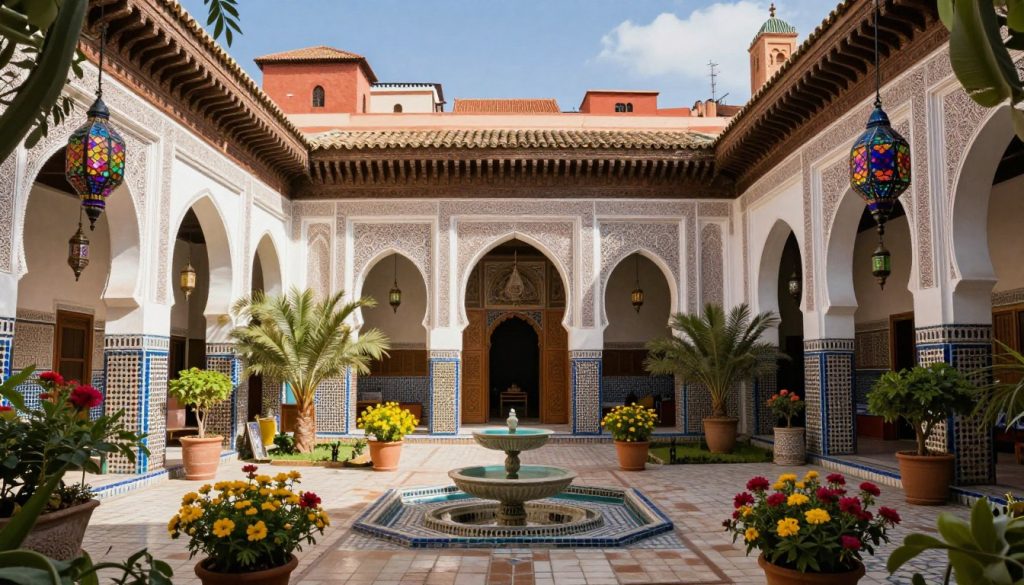
Think about location, amenities, and reviews when booking. Sites like Booking.com and Airbnb have lots of options. They help you find the best place to stay.
7. Plan Your Ground Transportation Strategy
Planning your ground transportation is key to exploring Morocco’s manydestinations de voyage au Maroc. You have many options to choose from, depending on your travel style and plans.
Morocco’s Efficient Train Network
Morocco’s train network, run by ONCF, is efficient. It connects major cities like Marrakech, Fez, and Tangier. The high-speed Al Boraq trains offer a comfortable and quick way to travel between cities.
Should You Rent a Car? Considerations for Americans
Renting a car in Morocco is good for exploring rural areas or making your own itinerary. But, driving here can be tough, especially for Americans not used to driving on the right side in a foreign country.
Using CTM Buses and Grand Taxis
CTM buses are reliable and affordable for city-to-city travel. Grand taxis, shared taxis on fixed routes, are cheaper for shorter trips.
Hiring Private Drivers for Multi-City Tours
Hiring a private driver is convenient for multi-city tours. It lets you travel at your pace and enjoy scenic views.
Here’s a comparison of Morocco’s ground transportation options:
| Mode of Transport | Comfort Level | Cost |
|---|---|---|
| Train | High | Moderate |
| Rented Car | Variable | High |
| CTM Bus | Moderate | Low |
| Grand Taxi | Moderate | Low |
| Private Driver | High | High |
8. Immerse Yourself in Moroccan Culture and Customs
To truly experience Morocco, it’s essential to dive into its vibrant culture and respect its time-honored customs. Morocco is a country with a rich cultural heritage, influenced by Arab, Berber, and French traditions.
Essential Etiquette for Respectful Travel
Understanding and respecting local etiquette is crucial. For instance, when greeting locals, a handshake or a kiss on each cheek is common. Using your right hand when giving or receiving something is also considered polite.
Appropriate Dress Codes in Different Settings
Dressing modestly is advisable, especially when visiting mosques or rural areas. For women, covering the shoulders and knees is a sign of respect. In more conservative areas, wearing a scarf to cover your head can be appreciated.
Useful Arabic and French Phrases for Travelers
Learning a few basic phrases in Arabic and French can go a long way. Greetings like “As-salamu alaykum” (peace be upon you) and “Bonjour” (good day) are appreciated by locals.
Navigating Religious Practices and Prayer Times
Morocco is an Islamic country, and being mindful of prayer times is respectful. The call to prayer happens five times a day, and you might hear it while exploring cities or towns.
Here’s a simple table to help you understand the typical prayer times and what they signify:
| Prayer Time | Significance |
|---|---|
| Fajr | Before dawn, marks the beginning of the day |
| Dhuhr | Noon, when the sun is at its peak |
| Asr | Afternoon, before the sun sets |
| Maghrib | Just after sunset |
| Isha | Night, before bedtime |
Immersing yourself in Moroccan culture involves more than just visiting attractions touristiques marocaines; it’s about engaging with the local way of life and respecting its traditions.
9. Identify Must-See Attractions and Experiences
Planning your trip to Morocco means finding the top sights and activities. Morocco mixes old and new, offering fun for all travelers.
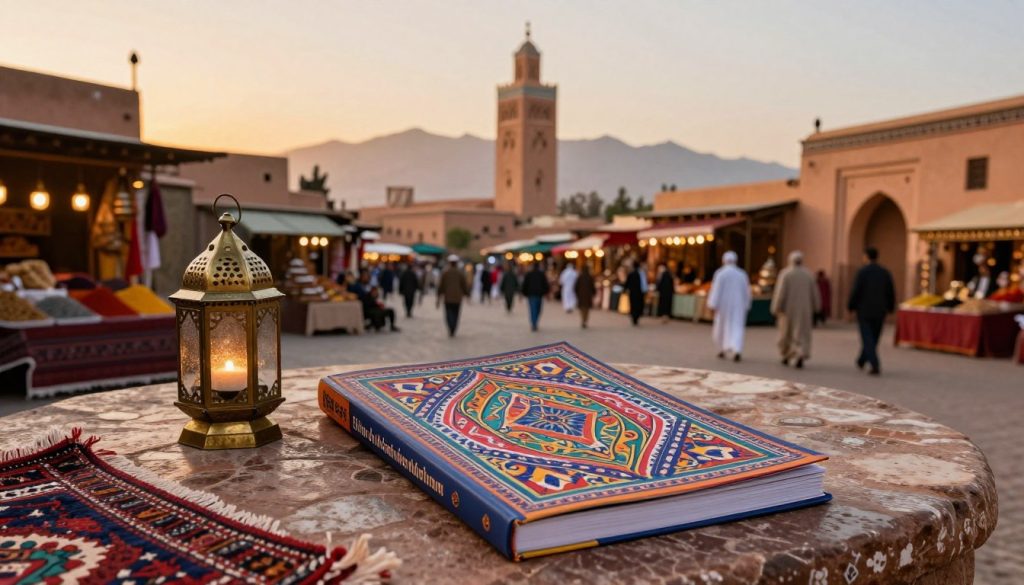
Getting Lost in Marrakech’s Jemaa el-Fnaa and Souks
Marrakech is a feast for your senses. The Jemaa el-Fnaa square is a UNESCO site, full of street acts and food. The souks’ narrow paths lead to local crafts, spices, and fabrics.
Touring the Magnificent Hassan II Mosque
In Casablanca, the Hassan II Mosque is a marvel. It shows off Moroccan skills and modern touches. Its design, partly over the ocean, is stunning.
Spending a Night Under the Sahara Stars
Merzouga’s desert offers a unique night under the stars. Imagine a luxury camp in the dunes, then a beautiful sunrise.
Exploring the Blue City of Chefchaouen
Chefchaouen, in the Rif Mountains, is famous for its blue buildings. It’s a peaceful spot for those who love nature.
Savoring Authentic Moroccan Cuisine and Cooking Classes
Moroccan food mixes Arabic, Mediterranean, and Berber tastes. Cooking classes let you learn about local ingredients and recipes. This way, you can enjoy Moroccan flavors even after you leave.
| Attraction/Experience | Location | Description |
|---|---|---|
| Jemaa el-Fnaa and Souks | Marrakech | Vibrant square and marketplaces filled with street performers and local goods |
| Hassan II Mosque | Casablanca | Architecturally stunning mosque partially built over the ocean |
| Desert Adventure | Merzouga | Experience the Sahara Desert with luxury camps and starry night skies |
| Blue City | Chefchaouen | Charming town known for its blue buildings and relaxed atmosphere |
| Cooking Classes | Various Locations | Learn to prepare traditional Moroccan dishes with local ingredients |
These attractions and experiences are just a few of Morocco’s highlights. Adding them to your trip will make unforgettable memories of your vacances au maroc.
10. Address Health and Safety Considerations
When planning your trip to Morocco, think about health and safety. Morocco is a top spot for tourisme en afrique du nord. It has rules for staying healthy and safe while traveling.
Vaccinations and Health Preparations Before Departure
Check with your doctor before you go to Morocco. They’ll tell you about needed shots and meds. Make sure you’re current on all vaccines and might need extra ones like Hepatitis A.
Securing Comprehensive Travel Insurance
Get travel insurance that covers medical costs, trip cancellations, and delays.
“Travel insurance is your safety net when traveling abroad,” says travel expert, Julia Montes. “It gives you peace of mind and protects your wallet from unexpected costs.”
Staying Safe: Scams and Situations to Avoid
Know your area and local ways to dodge scams and danger. Always bargain at markets and watch out for too friendly people.
Food Safety and Drinking Water Guidelines
Stay safe from food sickness by drinking bottled or filtered water. Only eat at trusted places. Remember, “if you can’t peel it, boil it, or cook it, don’t eat it,” is a good rule.
11. Pack Strategically for Moroccan Climate and Culture
Packing right is crucial for Morocco’s changing weather and culture. As you get ready to explore Morocco, think about the different places you’ll see. You’ll go from the hot Sahara Desert to the cooler Atlas Mountains.
Clothing Essentials for Comfort and Modesty
Choose clothes that are both comfy and modest, especially in mosques or rural spots. Loose-fitting, breathable clothes are perfect for Morocco’s warm weather. And don’t forget layers for cooler evenings.
Important Documents, Copies, and Digital Backups
Make sure you have all your important papers, like a valid passport and travel insurance. Also, make digital copies of your important documents. Leave a set with someone you trust back home.
Electronics, Adapters, and Connectivity Tools
Morocco uses Type C and E power sockets, with a standard voltage of 220V. Bring a universal power adapter and a portable power bank for extra power.
Medications, Toiletries, and Personal Care Items
Don’t forget your prescription meds and essentials like sunscreen and insect repellent. Also, pack any personal care items you can’t do without. Check with your airline for any luggage rules.
12. Prepare for Arrival and Your First Few Days
Arriving in Morocco is the start of a thrilling adventure. Being ready for your arrival can make things smoother. As you leave the plane, you’ll need to figure out airport transfers, get a local SIM card, and get used to the local culture and time.
Navigating Airport Transfers to Your Hotel
Morocco’s airports connect to big cities. You can pick taxis, buses, or private transfers to your hotel. Booking your transfer ahead of time helps avoid last-minute problems.
Purchasing a Local SIM Card for Data
Getting a local SIM card is easy at Moroccan airports. It gives you data and keeps you connected, making it simpler to explore and stay in touch with family.
Adjusting to Time Differences and Cultural Pace
Morocco is in the Western European Time (WET) zone. It takes a few days to get used to the local time and pace. Be patient and relax during your first days to adjust.
| Service | Description | Cost |
|---|---|---|
| Airport Taxi | Available at all major airports | $10-$20 |
| Private Transfer | Booked in advance for convenience | $20-$50 |
| Local SIM Card | Data and connectivity | $5-$10 |
Being prepared for your arrival and first days in Morocco lets you enjoy sites touristiques de Casablanca and more without stress.
Finalizing Your Morocco Adventure
When planning your trip to Morocco, remember that preparation is crucial. With more people traveling to Morocco, it’s easier than ever to explore this beautiful country. By knowing the best time to visit, understanding visa rules, setting a budget, and planning your trip, you’re all set for an amazing adventure.
Morocco is a mix of culture, history, and stunning landscapes. From Marrakech’s lively souks to the peaceful Sahara Desert, there’s something for everyone. You’ll enjoy the local traditions and taste the amazing food, making your trip unforgettable.
With good planning and a curious spirit, your Morocco trip will be full of great memories. So, pack your bags and get ready to discover one of the world’s most captivating places.