
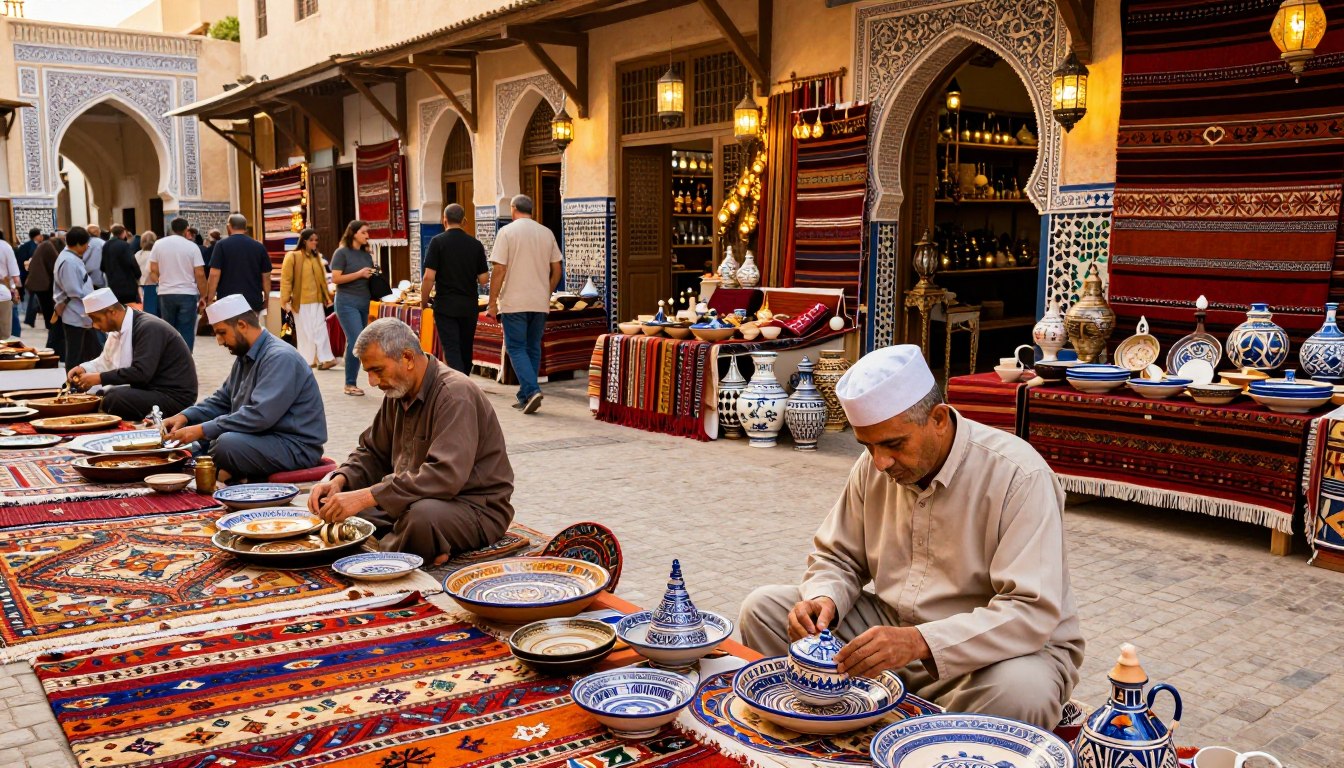
Moroccan culture: a unique blend of authenticity and diversity.
culture coutumes traditionnelles marocaines, héritage marocain, riche histoire marocaineImagine the scent of orange blossoms and the warmth of a sunset hitting ancient walls. You feel a deep connection to a place that values tradition as much as it values you. It is a rare feeling to find a destination that speaks to your soul so quickly.
This nation serves as a meeting point for Arab, Berber, and Andalusian heritages. These different threads create a beautiful mosaic that has survived through the ages. You can see this richness in the local art and the legendary hospitality of the people.
Exploring la culture marocaine allows you to witness a fascinating balance of art and history. You will enjoy a journey through a landscape where every corner reveals something new and wonderful. This heritage welcomes you to explore its many layers with an open heart.
Key Takeaways
- Experience a vibrant mix of Arab, Berber, and Andalusian influences.
- Discover the warmth of world-famous hospitality in every city.
- Explore a rich history that has shaped unique artistic traditions.
- Witness how ancient customs blend seamlessly with modern life.
- Enjoy a diverse cultural mosaic found at the crossroads of continents.
The Tapestry of Moroccan Culture
Exploring Morocco reveals a unique cultural mix. This mix comes from the country’s location at the crossroads of Africa, Europe, and the Arab world. It’s shaped by history and cultural exchanges.
Morocco’s culture is rich and deep. It’s influenced by royal dynasties, invasions, and foreign cultures. Arabic calligraphy, traditional music, and Berber song and dance are key parts of Moroccan culture. They show the country’s diverse heritage.
Why Morocco Captures the American Imagination
Morocco’s mix of African, Arab, and European influences draws American travelers. Its vibrant cities, historic sites, and festivals offer a peek into its culture. This culture is both exotic and familiar.
Americans are drawn to Morocco’s warm welcome, traditional crafts, and delicious food. The country’s stunning landscapes add to the cultural experience.
The Harmony of Contrasts
Moroccan culture is known for blending contrasts. Marrakech’s busy souks and the Sahara Desert’s calm landscapes show this. Morocco is full of energy and peace at the same time.
The country’s architecture also shows this harmony. Islamic, Berber, and French styles come together in unique monuments. This creates a cultural scene that’s both real and varied, attracting visitors worldwide.
The Roots of History and Heritage
Morocco’s history and heritage are a mix of many cultures and civilizations. Exploring this rich landscape, you’ll see how Berber culture and Islamic influences shaped the country. These elements have deeply influenced Morocco’s identity.
The Enduring Legacy of Berber Culture
Before the Muslim conquests, Morocco was home to diverse Berber tribes. These indigenous peoples greatly influenced the country’s cultural heritage. You can still see their impact in traditional clothing, language, and customs in modern Morocco.
The Berbers, also known as Amazigh or Imazighen, have a long cultural tradition. Their legacy is seen in the many Berber tribes in the Atlas Mountains and other areas. They keep alive ancient customs and ways of life.

Islamic Influences and the Shaping of Identity
In the 8th century, Arab forces entered Morocco, starting a period of Muslim dynasties. This was the beginning of “influences islamiques” that deeply shaped Moroccan identity. Islamic traditions and practices became a big part of Moroccan society, affecting art, architecture, literature, and daily life.
The impact of Islamic influences is clear in Morocco’s beautiful mosques, madrasas, and historic monuments. These buildings show the country’s rich history and its cultural and religious identity.
Architectural Wonders and Artistic Expression
As you explore Morocco, you’ll see where architecture and art meet. The country’s rich culture shines in its buildings, patterns, and art.
Moroccan architecture shows the country’s history. It combines Islamic, Berber, and Mediterranean styles. This mix creates unique and stunning buildings.
The Intricacy of Moroccan Zellige and Mosaics
Moroccan buildings are famous for their Zellige tiles and mosaics. These pieces are not just pretty; they tell stories of Morocco’s history and culture. A Moroccan proverb says,
“The beauty of the tile work is not just in its colors, but in the stories it tells.”
Zellige tiles are made from hand-cut terracotta. They form beautiful patterns and designs. This ancient craft is still practiced today, with artisans honing their skills.

Living History in the Medinas
The Medinas of Morocco are alive with history and culture. Exploring the alleys, you’ll find traditional crafts, tasty food, and lively markets.
Walking through the Medina feels like traveling back in time. The sounds, smells, and sights take you to another era. You can meet artisans, traders, and locals who live there.
In the Medina, old and new mix. This shows Morocco’s ability to keep its culture while changing.
A Culinary Journey Through Moroccan Flavors
Join us on a culinary adventure through Morocco. Here, every dish shares a story of cultural fusion and tradition. Moroccan cuisine, or “cuisine marocaine,” is a rich mix of history, geography, and culture. You’ll find a blend of traditional Berber, Arab, Mediterranean, and European flavors.
The Art of the Tagine
The tagine is at the heart of Moroccan cuisine. It’s a slow-cooked stew made in an earthenware pot. This dish is a perfect example of balance and complexity, with meat, vegetables, and dried fruits in a rich sauce.
Visiting local kitchens or cooking classes lets you learn the art of tagine-making. Here, you’ll discover the techniques and secrets behind this iconic dish.
The tagine’s versatility is what makes it so charming. You can find many variations, like chicken with preserved lemons and olives or lamb with prunes. Each version offers a unique glimpse into Moroccan culinary traditions.
Beyond the Plate: The Ritual of Mint Tea
No trip to Morocco is complete without trying mint tea. This refreshing brew is more than just a drink; it’s a symbol of hospitality and a key part of social gatherings. When you’re served mint tea, you’re joining a tradition that goes beyond just refreshment.
Making mint tea is an art form. The green tea leaves and fresh mint are carefully balanced to create a soothing yet invigorating brew. As you sip your tea, you’re not just tasting a drink; you’re experiencing a cultural tradition that has been passed down through generations.
The Warmth of Traditions and Social Customs
When you dive into Moroccan culture, you’ll find that traditions and social customs are its core. These customs are not just old habits but are alive and shape daily life in Morocco.
You’ll see the colorful world of Moroccan life. Every day is a chance to bond with others and honor the rich cultural heritage.
Hospitality as a Cultural Pillar
Hospitality in Morocco is more than a simple act; it’s a cherished art. The Berber culture, one of Morocco’s oldest, plays a big role in this tradition of welcoming guests.
In Moroccan homes, doors are always open to visitors. This shows the value of generosity and respect for others. Hospitality is not just for family and friends but also for strangers, showing Morocco’s welcoming nature.
Celebrating Life Through Festivals and Music
Morocco’s culture shines through its many festivals and musical events. These celebrations show off the country’s diverse traditions. From Berber festivals in the mountains to Gnawa music in Essaouira, there’s always something to enjoy.
These events are more than fun; they’re a way of life. They bring people together and strengthen social bonds. They give a peek into Morocco’s history, folklore, and the joy of living that defines its culture.
Navigating the Modern and Traditional Balance
The Moroccan identity is changing, thanks to the younger generation. They mix old traditions with new ideas. This mix is key to understanding Morocco’s changing world.
The Youth Factor
Moroccan youth are leading the change in their country. They have access to global media and tech. This exposure blends traditional values with modern views.
Young Moroccans are expressing themselves in new ways. This includes fashion, music, art, and literature. They’re creating a new identity that honors tradition but also welcomes the world.
Preserving Cultural Heritage
Despite embracing modernity, Morocco values its cultural heritage. Its history is shaped by Islamic influences and other cultures.
The country works to keep its heritage alive. This includes restoring historic sites and promoting traditional crafts. Cultural festivals also play a big role.
The Islamic influences are still strong in Moroccan culture. You’ll see this in mosques and daily life. These influences add depth to Moroccan culture.
Conclusion
Exploring Moroccan culture reveals a unique mix of authenticity and diversity. The intricate Zellige mosaics and vibrant medinas showcase the country’s rich heritage. Each aspect of la culture marocaine tells a story of Morocco’s history.
Moroccan culture is shaped by its history, Islamic influences, and Berber traditions. The country celebrates 13 official holidays, including Eid al-Fiṭr and Eid al-Aḍḥā. These holidays are a big part of its cultural fabric.
Experiencing Moroccan hospitality and traditions deepens your appreciation for the country. La culture marocaine shows Morocco’s ability to keep its heritage alive while welcoming the world.
Moroccan culture, with its flavors, sounds, and colors, will leave a lasting impression. It invites you to come back and explore more of its wonders.