
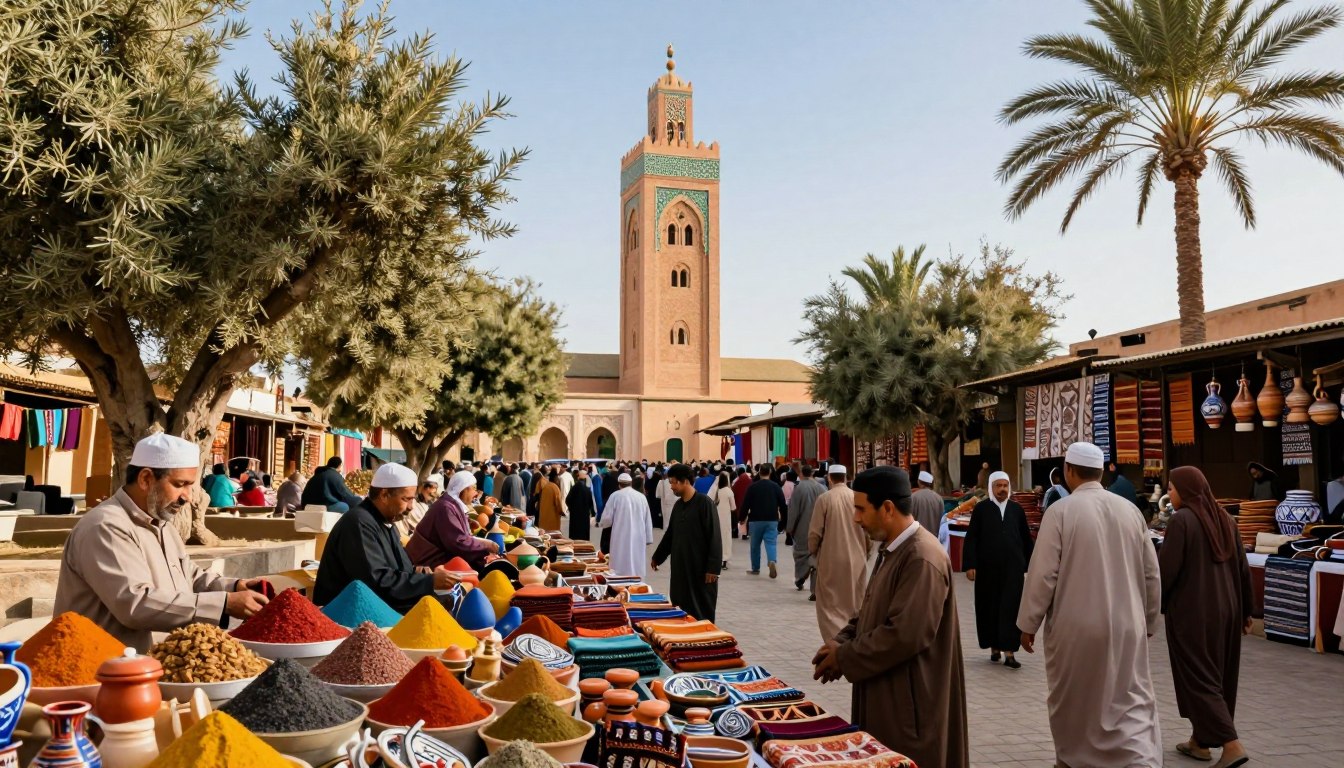
Moroccan culture: A journey through history, customs, and traditions.
culture coutumes marocaines, culture nord-africaine, diversité culturelle au maroc, héritage marocain, histoire du maroc, traditions marocainesEver wondered how one place can feel like a thousand worlds? You’re about to enter a place where the past and present blend in perfect harmony. This land is rich with a legacy that captivates every visitor.
You’ll find a stunning mix of Berber, Arab, African, and European cultures. This unique blend makes la culture marocaine stand out. It’s a sensory adventure that beckons you to explore further.
Every alleyway and mountain path has a story of ancient kings and desert nomads. As you delve deeper, you’ll see the histoire marocaine in every rug and dish. This journey will change how you see the world.
Key Takeaways
- Experience a unique blend of Berber, Arab, and European roots.
- Discover how ancient traditions remain a vital part of daily life.
- Explore the stunning diversity of the North African landscapes.
- Learn about the legendary hospitality of the local people.
- Understand the deep historical layers of this coastal kingdom.
- Appreciate the intricate art and craftsmanship in every city.
The Historical Tapestry of Morocco
Morocco’s culture is deeply rooted in its history. Exploring the country, you’ll see how different cultures have shaped it over time.
Morocco’s story is complex, with each era adding to its traditions. From ancient times to today, Morocco’s history is a story of strength and cultural blending.
Berber Roots and Indigenous Heritage
The Berbers, also known as the Amazigh, are Morocco’s original people. Their traditions are a big part of Moroccan culture. You can see their influence in the language, art, and social ways of Morocco.
Visiting the Atlas Mountains lets you see the Berber culture up close. Their music, dance, and crafts give a peek into Morocco’s ancient history.
The Influence of Islamic Dynasties
Islam arrived in Morocco in the 7th century, changing society a lot. Dynasties like the Idrisid and Almoravid helped shape the country’s architecture, art, and culture. Islamic traditions are seen in the tilework, mosques, and madrasas across Morocco.
In Morocco’s cities, you’ll see Islamic and Berber styles mixed. This shows the country’s rich cultural heritage.
Colonial Legacies and Modern Independence
Morocco was under colonial rule, which affected its language, education, and culture. The fight for freedom, led by Mohammed V, ended with Morocco’s independence in 1956.
Today, Morocco balances old traditions with new influences. As you dive into its culture, you’ll see the Moroccan people’s strength and ability to adapt.
Exploring the Essence of Moroccan Culture
Moroccan culture is all about hospitality, family, and faith. When you experience the Moroccan way of life, you see a mix of old traditions and new ways.
Social Etiquette and Hospitality
Moroccan culture is famous for its warm welcome. When you visit a Moroccan home, you get a cup of Mint tea. This tea shows respect and friendship.
Being a guest in Morocco means being treated with kindness. You’ll get tea and meals as a sign of generosity.
Some important social rules in Morocco include:
- Respecting elders and those in charge
- Greeting with a handshake or a kiss on the cheek
- Using your right hand when eating or giving/receiving something

The Role of Family and Community
Family is very important in Moroccan society. The style de vie marocain is based on family and community. Big family meetings happen often, especially during holidays and special events.
Moroccans also value community and social connections. Neighborhoods often celebrate together and support each other every day.
Religious Observances and Daily Life
Religion is a big part of Moroccans’ lives. Most people follow Islam, and events like Ramadan and Eid al-Fitr are key to their culture.
“The fasting month of Ramadan is a time for spiritual reflection, self-improvement, and devotion to faith.”
Religion shapes their daily lives. Many Moroccans go to mosques for prayers and join in community activities during holidays.
A Culinary Adventure Through Moroccan Flavors
Exploring Moroccan cuisine opens a world of traditional dishes. These dishes show the country’s rich cultural heritage. Moroccan food combines Berber, Arab, and Mediterranean tastes, thanks to its role as a trade and cultural crossroads.
Fresh ingredients like olives, citrus, and spices are key in Moroccan cooking. This mix creates dishes that are both fragrant and tasty. You can taste the essence of Moroccan food through its famous dishes and the traditions around them.
The Art of the Tagine
The tagine is a classic Moroccan dish, named after its cooking pot. It’s a slow-cooked stew with meat, veggies, and dried fruits, all flavored with spices. The pot’s special lid traps the steam, keeping the flavors inside.
Key ingredients in a traditional tagine include:
- Meat (lamb, chicken, or beef)
- A variety of vegetables (carrots, potatoes, zucchini)
- Dried fruits (prunes, apricots)
- A blend of spices (cumin, coriander, cinnamon)

Couscous: A Symbol of Unity
Couscous is more than food in Morocco; it’s a symbol of togetherness. It’s served on Fridays and special days, bringing people together. Making couscous is an art, steaming semolina flour to get the right texture.
“Couscous is the heart of Moroccan cuisine, a dish that embodies the spirit of hospitality and generosity that defines Moroccan culture.”
| Dish | Main Ingredients | Occasion |
|---|---|---|
| Couscous | Semolina flour, vegetables, meat or fish | Friday lunches, special occasions |
| Tagine | Meat, vegetables, dried fruits, spices | Special occasions, family gatherings |
| Pastilla | Meat, onions, spices, filo pastry | Weddings, festive occasions |
The Ritual of Moroccan Mint Tea
Moroccan mint tea is a big part of their hospitality. Making and serving tea is seen as an art, with the tea poured high to make a creamy top. It’s not just about the tea but about sharing and connecting over it.
Mint tea is everywhere in Morocco, showing welcome and friendship. It’s often given to guests as a sign of respect and kindness.
Architectural Wonders and Artistic Expressions
Morocco’s artistic scenes are a treat for the senses. Walking through its cities, you’ll see a rich cultural heritage. This is shown in its stunning architecture and lively art scene.
Moroccan cities feel like open-air museums. You’ll see riads, palaces, and mosques with amazing craftsmanship. The medina of Fez, for example, is full of artisans making beautiful leather goods, metalwork, and textiles. These items show the true spirit of l’art marocain.
Intricate Zellige Tilework and Mosaics
Moroccan architecture is famous for its zellige tilework. You’ll see these colorful mosaics on buildings, mosques, and riads. They’re not just pretty; they also tell stories of Morocco’s history and culture.
The Grandeur of Riads and Medinas
Moroccan riads and medinas show off the country’s architectural heritage. Riads have peaceful gardens and beautifully decorated rooms. Medinas are lively, with narrow alleys, markets, and historic sites.
Some key features of Moroccan riads and medinas include:
- Intricately decorated facades and interiors
- Serene inner gardens and courtyards
- Vibrant markets and souks
- Historic landmarks and architectural treasures
Traditional Music and Gnawa Rhythms
Morocco’s art isn’t just visual; its music is also a big part of its culture. Traditional music, especially Gnawa rhythms, is a big deal. You’ll hear it at celebrations and cultural events. The melodies and beats are captivating.
Exploring Morocco’s culture, you’ll see how traditional and modern mix. This makes Morocco a truly special place.
Vibrant Festivals and Celebrations
Exploring Morocco reveals a world of festivals that show off the country’s rich traditions. These events are more than fun; they open a window into Morocco’s heart, revealing its cultural depth.
Morocco’s festivals mix religious events, cultural heritage, and community spirit. They give you a chance to see the country’s traditions up close.
The Significance of Religious Holidays
Religious holidays are key in Morocco’s cultural life. Eid al-Fitr, which ends Ramadan, is a time for families to gather and feast. Eid al-Adha is also celebrated with great enthusiasm, showing devotion and sacrifice.
These holidays are about more than just rituals. They’re about coming together as a community and sharing moments. You’ll see the joy and unity that fills the air during these times.
- Eid al-Fitr: Celebrated with feasts and family gatherings
- Eid al-Adha: Observed with prayers and acts of charity
- Mawlid al-Nabi: Honoring the birth of the Prophet Muhammad
Cultural Festivals and Local Traditions
Morocco is also famous for its cultural festivals. These events showcase local traditions and artistic talents. The Essaouira Gnawa and World Music Festival is a great example, blending Gnawa music with global performances.
Other festivals like the Imilchil Marriage Festival celebrate love and union. The Rose Festival in the Roses Valley honors the rose harvest.
These festivals show Morocco’s cultural diversity and its power to unite people. By joining in or watching these events, you’ll learn more about Morocco’s traditions and the importance of these gatherings.
“The festivals in Morocco are a true reflection of its cultural heritage, bringing together people from all walks of life to celebrate and rejoice.”
Conclusion
Exploring Moroccan culture reveals a world rich in history, customs, and traditions. The Moroccan way of life is known for its warm hospitality, stunning architecture, and strong family bonds. These elements make up the style de vie marocain.
Morocco’s medinas buzz with life, while its landscapes offer peace. You’re encouraged to dive into la culture marocaine. Enjoy the traditional food and admire the art that showcases this country’s spirit.
Your journey through Morocco will leave you with unforgettable memories. The people’s culture, traditions, and kindness will impress you. You’ll likely want to come back and see more of Morocco’s beauty.