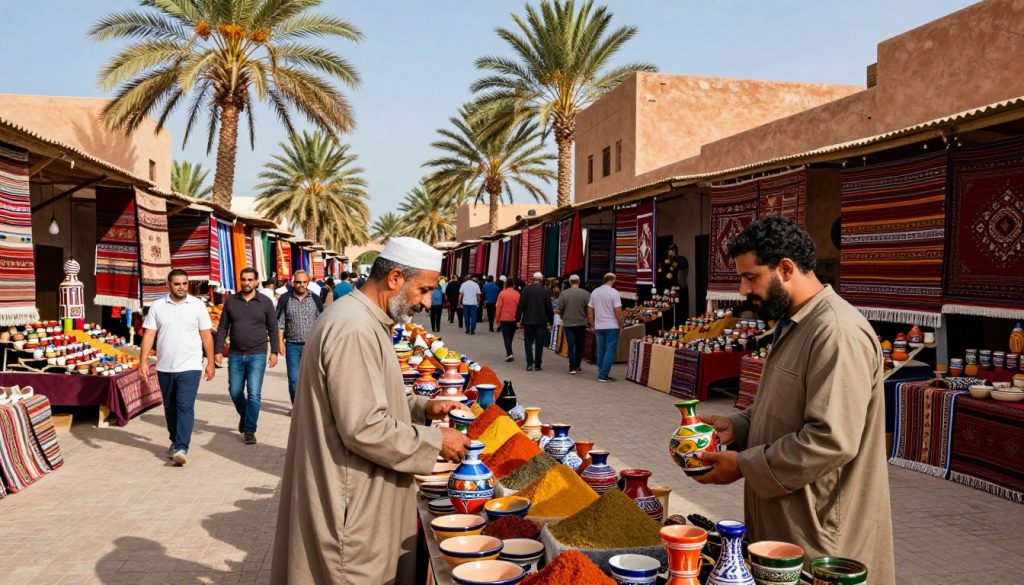
Ever felt lost in a sea of bright lanterns and sweet spices? These famous markets are full of life and rich culture. They open doors to the local community’s heart.
Exploring these places lets you experience the true essence of Morocco’s tourism. Every corner tells a story, from carpets to wood carvings. They are the heart of daily life.
As you wander, you’ll find authentic Moroccan experiences. Vendors greet you with smiles and mint tea. It’s a journey that stays with you forever.
Key Takeaways
- Navigate the vibrant market mazes with confidence.
- Discover high-quality handmade crafts and textiles.
- Master the art of friendly bargaining with locals.
- Savor the unique scents and flavors of exotic spices.
- Connect with the rich history of the ancient souks.
- Identify the best times for a calm shopping trip.
Understanding Morocco’s Traditional Souks and Medinas
Morocco’s souks and medinas are full of sights, sounds, and smells. They are filled with history and local culture. Walking through these markets is like diving into the heart of Moroccan life.
What Makes Moroccan Markets Unique
Moroccan markets are special because of their rich culture and wide range of goods. You can find everything from carpets to spices. Each item has a story of tradition and skill.
The markets show a mix of Arab, Berber, and Mediterranean cultures. This mix is seen in the buildings, products, and how people talk to each other. It makes the markets a place of wonder.
The Difference Between Souks and Medinas
Souks and medinas are often confused, but they’re different. Souks are the markets where people sell things. They can be small or big, with lots of different items.
Medinas, however, are the old cities with these souks inside. They are filled with history and culture. The streets are narrow and the buildings are close together, making it fun to explore.
The Historical Significance of Market Culture
Moroccan markets have a long history. They started outside city walls as places for traders. Over time, they became important parts of city life, not just for shopping but also for socializing.
These markets are key to Morocco’s culture. They show the country’s role at the meeting point of Africa, Europe, and the Arab world. They are a big part of destinations touristiques marocaines or Moroccan tourist spots.
Knowing the history of Moroccan souks and medinas makes your visit better. It helps you see the depth and richness of this part of l’industrie touristique marocaine or Moroccan tourism.
Top Traditional Markets You Must Visit
Morocco’s traditional markets are a must-see. From Marrakech’s souks to Chefchaouen’s workshops, you’ll find rich culture and craftsmanship. These places show what makes Morocco special.
Marrakech: Jemaa el-Fnaa and the Surrounding Souks
Marrakech is a shopper’s dream. Jemaa el-Fnaa square is the heart of it all. By day, it’s a market. At night, it’s a feast of food and shows.
Souk Semmarine for Textiles and Clothing
Souk Semmarine is a treasure for textiles and clothes. You’ll see beautiful fabrics and clothes that show Morocco’s culture.
Souk Haddadine for Metalwork
Souk Haddadine is great for metalwork. Artisans make stunning items from copper and brass. It’s perfect for finding authentic Moroccan metalwork.
Fes: The World’s Largest Car-Free Urban Zone
Fes is famous for its ancient medina. It’s the biggest car-free area in the world. The markets here are full of history and show off Moroccan skills.
Chouara Tannery District
The Chouara Tannery District is a highlight in Fes. You can see how leather is made. It’s also known for its leather goods.
Souk Attarine for Spices and Perfumes
Souk Attarine is a treat for your senses. It’s filled with spices and perfumes. It’s the best place to find Moroccan fragrances and spices.
| City | Notable Market | Specialties |
|---|---|---|
| Marrakech | Jemaa el-Fnaa | Street food, entertainment |
| Marrakech | Souk Semmarine | Textiles, clothing |
| Fes | Chouara Tannery | Leather goods |
| Fes | Souk Attarine | Spices, perfumes |
Essaouira: Coastal Market Charm
Essaouira’s markets have a coastal charm. They offer fresh seafood, local crafts, and souvenirs. The medina is a UNESCO site and a lovely place to shop.
Chefchaouen: The Blue City’s Artisan Workshops
Chefchaouen, the Blue City, is full of artisans. Workshops here make beautiful crafts, like textiles and pottery.
These markets offer unique experiences. They show Morocco’s culture and craftsmanship. Exploring them will deepen your appreciation for Morocco’s heritage.
Essential Items to Buy in Moroccan Markets
Exploring Moroccan markets is like finding a treasure trove. You’ll see unique products that show the country’s rich culture. Walking through souks and medinas, you’ll find traditional goods that are both beautiful and useful.
Handwoven Carpets and Berber Rugs
Moroccan handwoven carpets and Berber rugs are loved for their quality and cultural value. They are stunning and connect you to Morocco’s heritage.
Identifying Quality and Authenticity
Look for tight weaving, vibrant colors, and traditional patterns in handwoven carpets. Real Berber rugs have unique tribal designs and are made from natural wool.
Regional Styles and Patterns
Different areas in Morocco have their own carpet styles. For example, Beni Ourain rugs from the Atlas Mountains are known for their simple designs and soft pile.
| Region | Carpet Style | Characteristics |
|---|---|---|
| Beni Ourain | Minimalist | Plush pile, simple designs |
| Azilal | Colorful | Vibrant colors, geometric patterns |
| Marrakech | Traditional | Intricate patterns, rich colors |
Leather Goods from Traditional Tanneries
Morocco is famous for its high-quality leather goods. These are made in traditional tanneries using old techniques. You can find everything from luxurious handbags to cozy babouche slippers in Moroccan markets.
Babouche Slippers and Bags
Babouche slippers are a classic choice in Morocco, known for their comfort and style. Leather bags, from simple pouches to fancy satchels, are also popular.
Spices, Argan Oil, and Culinary Treasures
Moroccan food is known for its rich flavors and aromas. This is thanks to the use of quality spices and ingredients like argan oil. You can find many spices, including saffron, cumin, and cinnamon, as well as argan oil and other culinary delights.
Traditional Ceramics and Painted Pottery
Moroccan ceramics and painted pottery are both decorative and useful. They often have traditional designs and are made using old techniques.
Handcrafted Lanterns and Metalwork
In Moroccan markets, you’ll find beautifully crafted lanterns and metalwork. These items, often made from copper, brass, or silver, add Moroccan elegance to any space.
When shopping, remember to embrace the local culture and traditions. Your purchases support local artisans and help preserve traditional crafts.
Mastering the Art of Bargaining in Moroccan Souks
Bargaining in Moroccan souks is more than just a transaction. It’s an art that needs skill and understanding of the culture. As you explore Morocco’s markets, you’ll see bargaining is key. It’s a big part of the shopping experience, tied to Morocco’s rich culture and tourisme au maroc industry.
Understanding Starting Prices and Fair Values
To bargain well, knowing the item’s fair price is important. Do some research before you go. Sellers usually start high, expecting you to negotiate.
The Rule of Thirds for Opening Offers
Start with a third of the seller’s first price. This leaves room for negotiation and is a fair starting point.
| Initial Price | First Offer | Potential Final Price |
|---|---|---|
| 100 MAD | 33 MAD | 50-60 MAD |
| 500 MAD | 166 MAD | 250-300 MAD |
Step-by-Step Bargaining Techniques
Bargaining is not just about the price. It’s also about connecting with the seller.
Building Rapport with Sellers
Begin with a friendly hello and show interest in the product. This can encourage the seller to be more open to negotiation.
“The key to successful bargaining is not to be aggressive, but to be respectful and friendly.”
Using Silence as a Negotiation Tool
After making an offer, wait for the seller’s response. Don’t rush to counter.
Knowing When to Walk Away
If the price isn’t right, be ready to leave. This might make the seller rethink their offer.
Cultural Etiquette During Negotiations
Respecting local customs can improve your bargaining. A smile and polite words are very important.
Common Phrases in Arabic and French
Knowing basic phrases like “Shukraan” (thank you) in Arabic or “Merci” in French can help. It builds rapport with vendors.
- Shukraan (Thank you)
- Afwan (You’re welcome)
- Merci (Thank you in French)
- Combien? (How much? in French)

By learning these bargaining tips and cultural norms, you’ll have a better shopping experience in Morocco’s souks. It adds to the richness of l’industrie touristique marocaine.
Enhancing Your Tourism in Morocco Through Authentic Market Experiences
Exploring Morocco’s lively markets reveals the country’s true culture. You’ll connect with local artisans and learn about traditional crafts. This enriches your visit, letting you feel Morocco’s heart.
Connecting with Local Artisans and Craftspeople
Talking to local artisans is key to experiencing Morocco. You learn about their skills and traditions. An artisan once said,
“Our crafts are not just about creating beautiful objects; they’re about preserving our heritage and sharing our stories.”
You see the hard work and skill in Morocco’s famous crafts.
Understanding Traditional Moroccan Craftsmanship
Moroccan crafts are known for their beauty and detail. From zellige tiles to traditional weaving, each piece tells a story. These crafts show Morocco’s cultural heritage and skill.
Learning about these crafts deepens your appreciation of Moroccan culture.
The Art of Zellige Tile Making
Zellige tile making is an ancient tradition. It involves cutting and arranging tiles into patterns. This craft needs skill and patience, creating stunning designs for buildings and homes.
Traditional Weaving Techniques
Traditional weaving is another important craft. Artisans use looms to make beautiful textiles. These textiles show Morocco’s rich culture through patterns and colors.
Exploring Food Markets and Culinary Discoveries
Food markets in Morocco are a culinary journey. You can taste local foods and experience Morocco’s flavors. Try tagines and couscous, and visit vibrant food markets in cities.
Photography Etiquette and Respectful Tourism
When taking photos in Moroccan markets, be respectful. Always ask before taking someone’s photo. Remember, you’re a guest, and respecting local customs is important.
By following these tips, you can make your visit to Morocco memorable. Enjoy the vibrant culture and create lasting memories.
Practical Navigation Tips for Market Shopping
Exploring Morocco’s lively souks requires preparation. Knowing the local culture and how to navigate the markets is crucial. This knowledge ensures a fun and successful shopping trip.
Best Times to Visit the Souks
Choosing the right time to shop in Morocco’s souks is important. The timing can greatly affect your experience.
Morning Shopping for Fresh Selection
Shopping in the morning is recommended. The markets are less busy, and you find fresh goods and unique items.
Avoiding Midday Crowds and Heat
Stay away from the souks during the hottest part of the day. It’s more comfortable and safer from heat exhaustion.

What to Wear and Essential Items to Bring
Dressing right and packing the essentials can improve your souk experience.
Appropriate Clothing for Cultural Respect
Wear modest clothes that cover your shoulders and knees. It shows respect for the culture. Also, wear comfortable shoes for all the walking.
Bags, Cash, and Phone Safety
Bring a secure bag for your items and money. It’s wise to have local currency, as not all vendors accept cards. Keep your phone safe and consider a local SIM card.
| Essential Items | Description |
|---|---|
| Comfortable Shoes | For extensive walking |
| Modest Clothing | To show cultural respect |
| Secure Bag | For carrying purchases and essentials |
| Local Currency | For vendors who don’t accept credit cards |
Staying Safe and Avoiding Common Scams
Being mindful of your surroundings and avoiding scams is key to a safe shopping trip.
Watch out for overly friendly locals who might steal your stuff. Be wary of deals that seem too good to be true.
Basic Language Skills for Successful Shopping
Learning basic Arabic and French phrases can enhance your shopping experience. It makes communication easier and more enjoyable.
Knowing “hello” (Marhaba in Arabic), “thank you” (Shukraan in Arabic, merci in French), and “how much?” (Bikam? in Arabic, combien? in French) is very helpful.
Planning Your Perfect Market Shopping Day
Getting ready for your Moroccan trip? Think about how to enjoy the traditional markets. Planning ahead, like budgeting and shipping options, makes your visit better and less stressful.
Budgeting for Your Moroccan Shopping Experience
Setting a budget is key before you start shopping. Knowing your spending limit helps you feel confident in the souks.
Price Ranges for Common Items
Knowing typical prices for items helps you shop smarter. For instance, a handwoven carpet can cost from $50 to $500, based on size and detail.
Cash vs. Credit Card Usage
Many vendors accept credit cards, but having dirhams for small buys or cash-only vendors is wise. Some might charge extra for card use.
Shipping Your Purchases Home Safely
After picking your favorite items, think about how to get them home. Shipping can be tricky, but with the right info, your items will arrive safely.
Working with Reliable Shipping Services
Choose shipping services with international delivery experience, especially to your country. Some souks and vendors have trusted shippers.
Customs and Import Considerations
Know about customs rules and duties for international shipping. Researching these can avoid surprise costs or issues.
Recommended Time to Allocate for Market Visits
Time needed for market visits varies by interest and souk size. Aim for at least a few hours to fully experience the culture and find unique items.
Benefits of Hiring a Local Guide vs. Exploring Solo
Choosing between a local guide or solo exploration depends on your preferences and goals. A guide offers cultural insights, helps navigate, and connects you with vendors.
Exploring alone lets you set your pace and find hidden spots not on tours. Think about what you value most and pick accordingly.
Authentic Cultural Experiences Beyond Shopping
Moroccan markets are more than places to shop. They are doors to a rich culture waiting to be explored. As you dive into the lively atmosphere of these souks, you’ll find many ways to connect with the local culture.
Traditional Hammams Near the Markets
A visit to a traditional hammam is a key Moroccan experience. These ancient steam baths, near busy markets, give a peek into local life. You can unwind in the warm, scented air, with soothing music and local chatter.
Mint Tea Ceremonies and Coffee Culture
Mint tea is a big part of Moroccan culture. Taking part in a traditional tea ceremony is a must. It’s a sign of hospitality and friendship. You can also dive into Morocco’s coffee culture, where coffeehouses are social spots for everyone.
Watching Master Artisans Create Their Crafts
Moroccan markets let you see skilled artisans at work. You can see everything from detailed woodcarvings to stunning textiles. These craftspeople are true masters of their craft.
Leather Tanning Demonstrations
Watching leather tanning is a fascinating experience. The traditional process uses natural dyes and careful craftsmanship. You’ll see artisans turn raw hides into fine leather goods.
Carpet Weaving Workshops
Carpet weaving is another craft you can see in Moroccan markets. Artisans spend long hours weaving beautiful carpets. They use techniques that have been perfected over centuries.
Evening Entertainment in Historic Market Squares
At sunset, Moroccan market squares buzz with life. You can enjoy live music, watch dancers, or just enjoy the atmosphere. Historic squares like Jemaa el-Fnaa in Marrakech are great places to feel Morocco’s vibrant culture.
Conclusion
Exploring Morocco’s traditional markets makes you part of its rich culture. Souks and medinas are more than places to shop. They open doors to the local way of life.
Morocco’s top spots like Marrakech, Fes, and Essaouira mix old crafts, tasty food, and culture. Visiting these markets helps local artisans keep their traditions alive.
For a great market visit, be open-minded and respect local ways. Learn to bargain, understand cultural rules, and stay aware of your surroundings. This will make your visit better.
Leaving Morocco, you’ll remember its lively markets, tasty food, and friendly people. This experience will deepen your understanding of Moroccan culture. It will also make you appreciate the country’s heritage more.